Alcohol and depression: what the research says
Alcohol and low mood often show up together. Here is what the research says about the link, what it does not settle, and where to turn if you are struggling.
A review in Addiction found that having either alcohol use disorder or major depression roughly doubled the risk of the other, with pooled odds ratios from 2.00 to 2.09. It judged that the evidence points to a causal link, and that the more plausible direction is alcohol use increasing the risk of depression rather than the reverse [1]. This is about alcohol use disorder, not a drink now and then. If you are struggling, speak to a doctor, and if you are in crisis, call or text 988 in the US [2].
If you need help right now
Track it in Sober Girl
What the research found
Boden and Fergusson reviewed the literature on alcohol use disorders (AUD) and major depression in the journal Addiction. They found that the presence of either disorder doubled the risk of the second, with pooled adjusted odds ratios from 2.00 to 2.09. They concluded that common causes could not fully account for the link, and that the disorders appear to be linked causally. The more plausible direction, they said, is that alcohol use increases the risk of depression rather than depression increasing alcohol use, with possible mechanisms including neurophysiological and metabolic changes from alcohol [1].
What that does and does not tell you
- It is about alcohol use disorder and major depression, not about an occasional drink or low mood. It does not show that every drinker will become depressed.
- It is a review of observational studies. The authors call for more research, including on gender differences [1].
- Both directions can be true for different people. Some people drink to cope with low mood, and alcohol can then deepen it.
- Depression is treatable, and so is alcohol use disorder, including when they occur together.
If you drink to cope
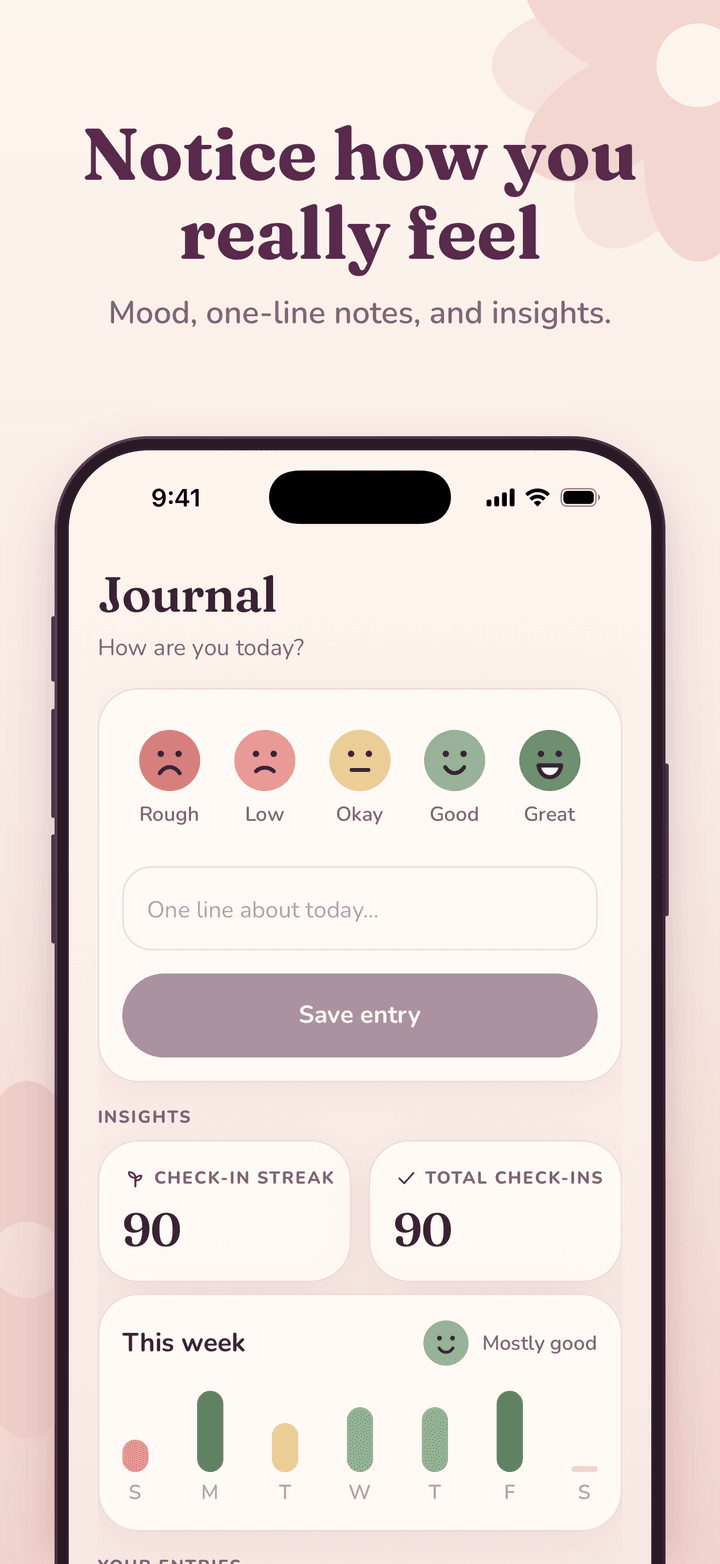
If a drink is how you get through low moods, stress or loneliness, that is worth noticing, because relief that works in the evening can leave you lower the next day. Tracking helps: note your mood each morning and whether you drank the night before. After a few weeks you can see whether the two move together. Try a month off to compare, with the guidance in our Dry January and Sober October guides.
Anxiety is also a recognised symptom of alcohol withdrawal, and sleep and mood changes can last for months after stopping [4]. So feeling low or anxious early on does not mean it will not get better, but it is a good reason to tell a doctor.
Where to get help
- A doctor or mental health professional. NIAAA advises seeing one if symptoms of depression or anxiety persist or get worse [3].
- If you drink heavily, do not stop suddenly on your own, because withdrawal can be dangerous [4].
- Find treatment. The NIAAA Alcohol Treatment Navigator helps adults find evidence-based care [5].
- The SAMHSA National Helpline: 1-800-662-4357, free, confidential, 24/7 [6].
- 988 Suicide & Crisis Lifeline: call or text 988 [2].
Is Sober Girl right for you?
- use an Android phone (the iPhone app is coming soon)
- want a private tracker, with your journal kept on your device
- want a day counter, money saved and a daily check-in in one calm place
- want a Craving SOS with a breathing exercise and a 10-minute timer
- want to start free and add Plus only if you need the journal, insights or milestone cards
- need it on an iPhone today (the App Store version is coming soon)
- want a community feed, live coaching or an AI chat
- want a structured multi-week education program
- need medical help for heavy drinking or withdrawal. An app is not treatment, so see the safety notes above
Frequently asked questions
Does alcohol cause depression?
A review in Addiction found alcohol use disorder and major depression roughly double each other’s risk, and judged the more plausible direction to be that alcohol use increases the risk of depression. It concerns alcohol use disorder rather than occasional drinking.
Why do I feel depressed after quitting drinking?
Mood and sleep changes can occur after stopping, and MedlinePlus says they can last for months in some people. If they persist or get worse, see a doctor or mental health professional.
What should I do if I am thinking about suicide?
In the US, call or text 988, the 988 Suicide & Crisis Lifeline, or go to the nearest emergency room. It is free, confidential and open 24/7.
Can I treat depression and drinking together?
Yes, and a doctor can help with both. Do not stop suddenly on your own if you drink heavily.
Sources
- Alcohol and depression. Boden JM, Fergusson DM. Addiction, 2011. A review of studies on alcohol use disorders and major depression.
- 988 Suicide & Crisis Lifeline. 988 Lifeline. Call, text or chat, free and confidential, 24/7.
- Professional support. NIAAA, Rethinking Drinking. Lists the three FDA-approved medications for alcohol use disorder and when to see a health professional.
- Alcohol withdrawal. MedlinePlus (US National Library of Medicine), reviewed 1 January 2025 by Frank D. Brodkey, MD.
- NIAAA Alcohol Treatment Navigator. NIAAA.
- National Helpline. SAMHSA. Free, confidential, 24/7 treatment referral line: 1-800-662-4357.
How we write these. Every figure above links to the source it came from, and we label self-reported and observational results as such. Where we could not find a source we trust, the page says so instead of filling the gap. Sober Girl is made by ShipAI Lab and this is not medical advice. Sources were checked on 6 October 2026. If you spot an error, email us at integrateopenai@gmail.com.
Keep reading
Today is day one.
Sober Girl is a private sobriety tracker for women, on Android now and coming soon to iPhone: day counter, money saved, craving SOS and a tree that grows with you. Free to start.