Benefits of quitting alcohol: what the evidence supports
Plenty of lists promise dramatic changes. This one sticks to what studies measured, separates it from what people report, and says where the evidence stops.
The best-measured benefits come from a BMJ Open study of 94 people who abstained for a month: insulin resistance fell 25.9%, systolic blood pressure 6.6% and weight 1.5% [1]. Dry January participants self-reported saving money (86%), sleeping better (70%) and having more energy (66%) [2]. Fatty liver can be reversed when drinking stops [3], and the US Surgeon General names alcohol the third leading preventable cause of cancer [4].
What was measured after a month
In a BMJ Open study, 94 healthy people who chose to abstain for a month were compared with 47 who kept drinking. After the month, the abstaining group had significant falls (all p < 0.001) in insulin resistance, blood pressure, weight and two cancer-related growth factors. The researchers found none of the changes was explained by diet, exercise or smoking [1].
What changed after one month without alcohol
Reduction from baseline in people who abstained for a month (n = 94). Bars show the size of the fall.
The limits. It was observational, people chose their own group, the sample was small, and it excluded people with liver disease or alcohol dependence. These are lab and clinic measurements that you would not feel [1].
Track it in Sober Girl
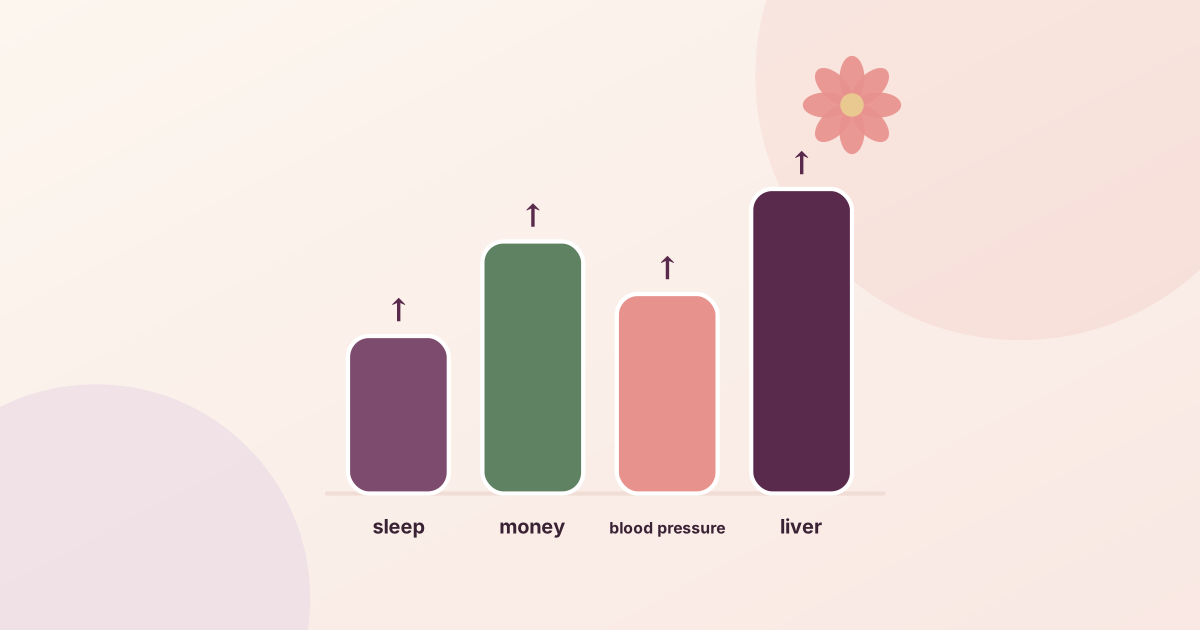
What people say they notice
Alcohol Change UK summarises a 2019 evaluation of Dry January participants. These are self-reported results from people who chose to take part, so treat them as experience rather than proof:
What Dry January participants reported
Share of participants who said so, 2019 evaluation
Sleep
Alcohol can make you drowsy at first and then fragment sleep in the second half of the night, and it can reduce REM sleep [5]. For people who stop, MedlinePlus notes that sleep disturbance can last for months in some cases [6]. So sleep may get worse before it gets better, and it is not a guaranteed quick win.
Liver
The evidence is stage-based rather than date-based. Fatty liver can be reversed when drinking stops, and more advanced alcohol-related liver disease can stabilise with abstinence [3]. If you are worried about your liver, ask a doctor about liver function tests.
Cancer risk
The US Surgeon General’s January 2025 advisory identifies alcohol as the third leading preventable cause of cancer in the US, contributing to nearly 100,000 cases and about 20,000 deaths a year, and names seven cancers, including breast cancer in women [4]. That is why many people cut down. We have not cited a figure for how quickly risk falls after quitting, because we did not find one we trust.
Money
This one you can calculate exactly. Try our sobriety calculator: enter your sobriety date and weekly spend and it shows what you have saved.
Before you stop
Is Sober Girl right for you?
- use an Android phone (the iPhone app is coming soon)
- want a private tracker, with your journal kept on your device
- want a day counter, money saved and a daily check-in in one calm place
- want a Craving SOS with a breathing exercise and a 10-minute timer
- want to start free and add Plus only if you need the journal, insights or milestone cards
- need it on an iPhone today (the App Store version is coming soon)
- want a community feed, live coaching or an AI chat
- want a structured multi-week education program
- need medical help for heavy drinking or withdrawal. An app is not treatment, so see the safety notes above
Frequently asked questions
What are the benefits of quitting alcohol?
In a BMJ Open study, a month without alcohol lowered insulin resistance (25.9%), systolic blood pressure (6.6%) and weight (1.5%) in 94 people. People also self-report better sleep, savings and energy, and fatty liver can be reversed when drinking stops.
What happens to your body after a month without alcohol?
In one observational study of 94 people, insulin resistance, blood pressure, weight and two cancer-related growth factors all fell significantly. The study excluded people with liver disease or alcohol dependence.
Will I sleep better if I stop drinking?
Alcohol disrupts sleep, so many people report better sleep, but MedlinePlus notes sleep disturbance after stopping can last for months in some cases. It is not guaranteed.
Does quitting alcohol lower cancer risk?
The Surgeon General names alcohol a cause of seven cancers. We did not find a trustworthy figure for how quickly risk falls after quitting, so we do not state one.
Sources
- Short-term abstinence from alcohol and changes in cardiovascular risk factors, liver function tests and cancer-related growth factors: a prospective observational study. Mehta G, Macdonald S, Cronberg A, et al. BMJ Open 2018;8:e020673. Observational study. 94 people who chose to abstain for a month and 47 who kept drinking.
- The evidence behind the Dry January challenge: benefits and long-term impact. Alcohol Change UK, summarising evaluations by Dr Richard de Visser, University of Sussex. Self-reported results from people who signed up to Dry January, not a controlled trial.
- Alcoholic Liver Disease: Pathogenesis and Current Management. Alcohol Research: Current Reviews, vol. 38, no. 2, NIAAA.
- Surgeon General's Report Calls for Cancer Warning Labels on Alcoholic Beverages. The ASCO Post, January 2025, reporting the US Surgeon General advisory of 3 January 2025. Reports that alcohol contributes to nearly 100,000 US cancer cases and about 20,000 deaths a year, and names seven cancers including breast cancer in women.
- Alcohol and the Sleeping Brain. PubMed Central, US National Library of Medicine.
- Alcohol withdrawal. MedlinePlus (US National Library of Medicine), reviewed 1 January 2025 by Frank D. Brodkey, MD.
- National Helpline. SAMHSA. Free, confidential, 24/7 treatment referral line: 1-800-662-4357.
How we write these. Every figure above links to the source it came from, and we label self-reported and observational results as such. Where we could not find a source we trust, the page says so instead of filling the gap. Sober Girl is made by ShipAI Lab and this is not medical advice. Sources were checked on 6 October 2026. If you spot an error, email us at integrateopenai@gmail.com.
Keep reading
Today is day one.
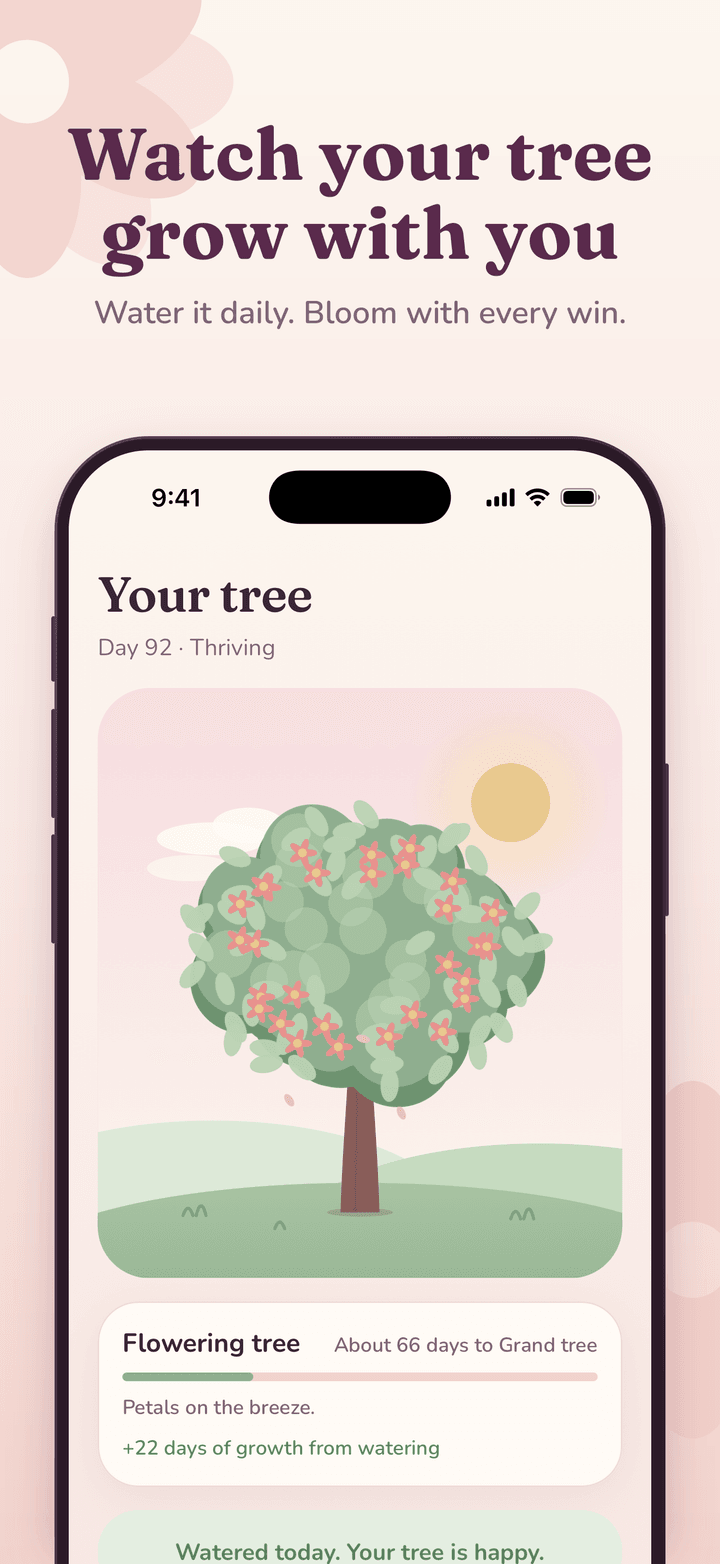
Sober Girl is a private sobriety tracker for women, on Android now and coming soon to iPhone: day counter, money saved, craving SOS and a tree that grows with you. Free to start.