21 days without alcohol: what three weeks does and does not change
Day 21 is past the withdrawal window and just short of the best-measured month. Here is what the research says about this exact stretch, and what to do with it.
Twenty-one days without alcohol is three weeks. The withdrawal window is behind you: MedlinePlus puts the symptom peak at 24 to 72 hours [1] and the NHS says symptoms usually last 3 to 7 days [2]. For the liver, a study of men in alcohol detox cites earlier work finding that the liver enzyme GGT normalises within 2 to 3 weeks of abstinence [3], so day 21 is the end of that window. The best-measured benefits, such as lower blood pressure and insulin resistance, were recorded after a full month [4].
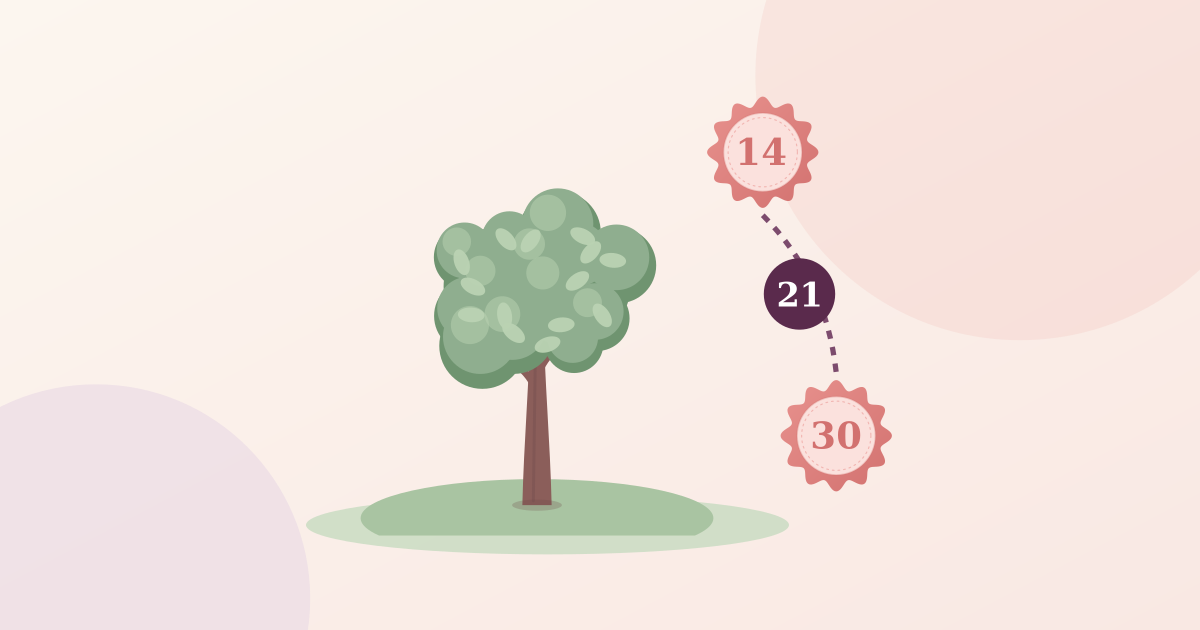
What is behind you, and what is still ahead
| What the sources describe | Where day 21 sits |
|---|---|
| Withdrawal symptom peak, 24 to 72 hours [1] | Long behind you |
| Usual withdrawal length, 3 to 7 days [2] | Long behind you |
| GGT normalising, 2 to 3 weeks in earlier studies [3] | The end of that window |
| GGT lower after one month in moderate drinkers [5] | About nine days away |
| Blood pressure, insulin resistance and weight, measured after a month [4] | About nine days away |
| Lower sleep efficiency in recently detoxified people, studies covering 16 to 46 days of sobriety [6] | Still inside the range |
The honest summary is that three weeks is a good place to be and a hard place to measure. Most of the strongest data stops at one month, so day 21 is a stretch where the body is doing the work and the evidence has not yet caught up.
Track it in Sober Girl
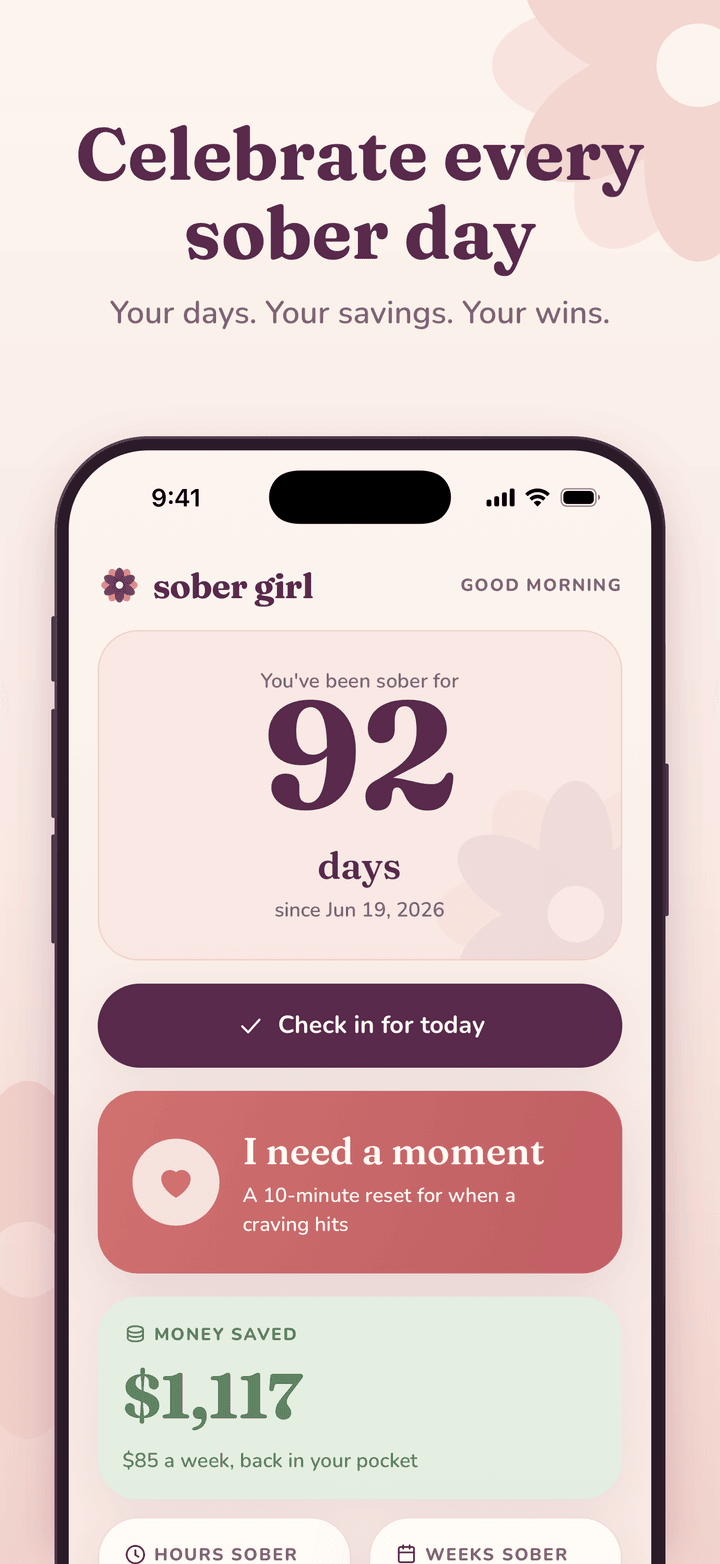
What three weeks means for the liver
GGT is a liver enzyme that doctors use as a marker of recent drinking. In a small study of 25 men in inpatient detox, liver tests were taken on days 1, 5 and 10, and the authors point to earlier work in which GGT normalised within 2 to 3 weeks of abstinence [3]. In healthy moderate drinkers, GGT fell after one month without alcohol and rose again when they started drinking [5].
Put together, that makes three weeks a sensible point to ask your doctor about a repeat test, with the month mark as the cleaner comparison. These are studies of specific groups, not a promise about your own numbers. If you have a baseline result from before you stopped, ask for the same panel again so the comparison is fair.
Why sleep may still be uneven at day 21
The sleep review we cite found that sleep efficiency is generally lower in recently detoxified people, in studies covering 16 to 46 days of sobriety [6]. Day 21 falls inside that range, so a restless night this week does not mean the break is failing. It is the same normal range that day 6 sits in, just later.
- Keep the wake-up time fixed, even after a bad night, and let bedtime follow it.
- Move the evening wind-down earlier. The hour when you used to pour a drink is a good hour for a shower or a walk.
- Rate your sleep from 1 to 5 each morning for a week. A trend is easier to trust than one night.
Is 21 days the number that makes it stick?
The idea that a habit takes 21 days is popular, but it is not what the research found. The study most people point to for habit timing found a very wide spread between people, and it is covered on our 60 days sober page. For now, treat day 21 as a checkpoint and not a finish line, and use the next nine days to reach the month.
If your count has reset at some point, the days before it still happened. Our guide to counting sober days explains where day 1 starts, and a lapse is not the same as a relapse.
Today’s focus: book the month, not the next drink
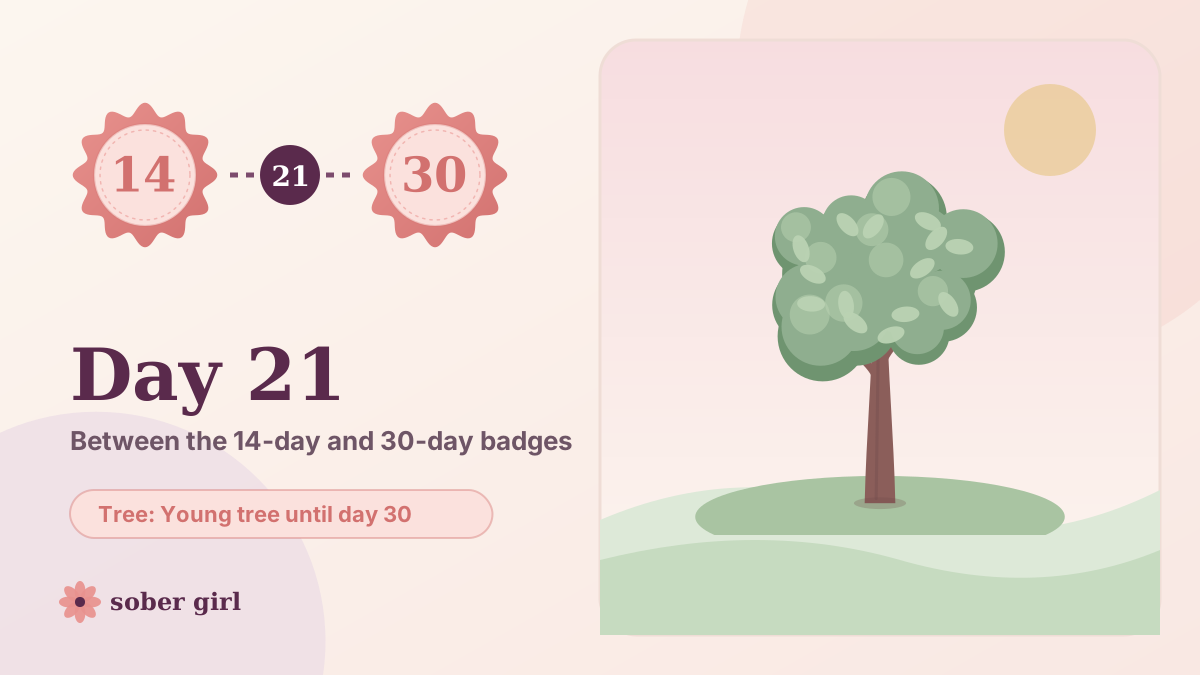
Pick a date nine days from now and give it a reward that is not alcohol, and put it next to your money saved. In Sober Girl the 30-day badge turns the tree into a Budding tree, so the month mark is easy to see from where you are. If you have not already, set a calendar reminder to read 30 days no alcohol: before and after on that day.
Enter the date of your last drink, or the day you chose as day one, to start the counter.
Runs in your browser. Nothing you enter is sent anywhere: your date stays in this page's address on your device, so you can bookmark it. To keep a counter on your phone, with reminders and milestone badges, use the app.
Three weeks in numbers
| If you used to spend | Saved by 3 weeks |
|---|---|
| $25 a week | $75 |
| $50 a week | $150 |
| $100 a week | $300 |
| If you used to drink | Drinks skipped by 3 weeks | Alcohol skipped | Calories from alcohol skipped |
|---|---|---|---|
| 7 standard drinks a week | 21 | 294 g | 2,058 kcal |
| 14 standard drinks a week | 42 | 588 g | 4,116 kcal |
| 21 standard drinks a week | 63 | 882 g | 6,174 kcal |
You can enter your own start date in the sobriety calculator for exact days and next milestone. If you want to see where the days before this one go, read 2 weeks sober, and for the next big milestone, 30 days sober.
When to get help
Is Sober Girl right for you?
- use an iPhone or an Android phone
- want a private tracker, with your journal kept on your device
- want a day counter, money saved and a daily check-in in one calm place
- want a Craving SOS with a breathing exercise and a 10-minute timer
- want to start free and add Plus only if you need the journal, insights or milestone cards
- want a community feed, live coaching or an AI chat
- want a structured multi-week education program
- need medical help for heavy drinking or withdrawal. An app is not treatment, so see the safety notes above
Frequently asked questions
What happens after 21 days without alcohol?
Withdrawal symptoms are well behind you for most people. A small study cites earlier work finding that the liver enzyme GGT normalises within 2 to 3 weeks of abstinence, and sleep can still be uneven. The best-measured benefits, such as lower blood pressure, come from studies of a full month.
Is 21 days enough to reset your liver?
It is within the window earlier studies give for GGT to normalise, 2 to 3 weeks, but those studies involved specific groups and a single number is not a full picture of liver health. A repeat blood test at one month, compared with a starting result, is a fairer check. Ask your doctor.
Does it take 21 days to break a habit?
Not as a rule. The research on habit timing found a very wide range between people, so 21 days is a checkpoint and not a finish line. Our 60 days sober page covers the study.
Is it normal to sleep badly at three weeks?
Yes. A sleep review found lower sleep efficiency in recently detoxified people, in studies covering 16 to 46 days of sobriety. A rough night at day 21 is inside that range.
Does Sober Girl have a 21-day badge?
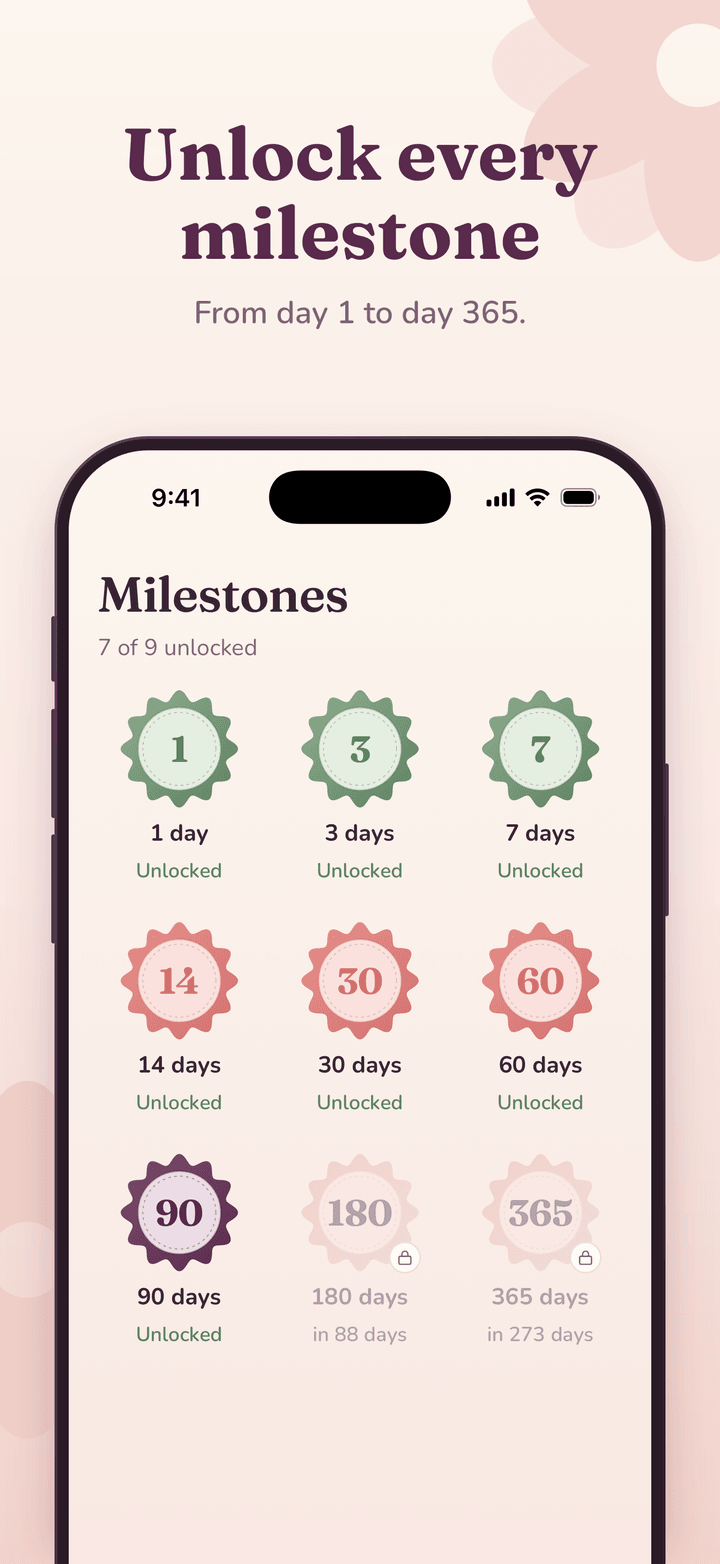
No. The badges are at 1, 3, 7, 14, 30, 60, 90, 180 and 365 days. The 30-day badge is next after day 14, and the counter shows every day in between.
Sources
- Alcohol withdrawal. MedlinePlus (US National Library of Medicine), reviewed 1 January 2025 by Frank D. Brodkey, MD.
- Alcohol misuse: Treatment. NHS (UK), last reviewed 24 April 2026. UK guidance. Says withdrawal symptoms begin within 6 to 12 hours of the last drink and usually last 3 to 7 days.
- Trajectory of liver function tests during the initial alcohol detoxification period: A preliminary analysis. Kethawath SM, Jain R, Dhawan A, Sarkar S. Indian Journal of Psychiatry 2020;62(2):225-226 (research letter). 25 men in inpatient alcohol detox, liver tests on days 1, 5 and 10. Small preliminary study.
- Short-term abstinence from alcohol and changes in cardiovascular risk factors, liver function tests and cancer-related growth factors: a prospective observational study. Mehta G, Macdonald S, Cronberg A, et al. BMJ Open 2018;8:e020673. Observational study. 94 people who chose to abstain for a month and 47 who kept drinking.
- Biochemical Effects on the Liver of 1 Month of Alcohol Abstinence in Moderate Alcohol Consumers. Munsterman ID, Groefsema MM, Weijers G, et al. Alcohol and Alcoholism 2018;53(4):435-438. Healthy moderate drinkers. GGT fell after one month without alcohol and returned to baseline once they drank again.
- Alcohol and the Sleeping Brain. PubMed Central, US National Library of Medicine.
- What Is A Standard Drink?. NIAAA.
- Alcohol Consumption and Obesity: An Update. Traversy G, Chaput JP. Current Obesity Reports, 2015. A review. It reports that alcohol provides 7 kcal per gram and that the evidence on weight is mixed.
- National Helpline. SAMHSA. Free, confidential, 24/7 treatment referral line: 1-800-662-4357.
How we write these. Every figure above links to the source it came from, and we label self-reported and observational results as such. Where we could not find a source we trust, the page says so instead of filling the gap. Sober Girl is made by ShipAI Lab and this is not medical advice. Sources were checked on 6 October 2026. If you spot an error, email us at [email protected].
Keep reading
Today is day one.
Sober Girl is a private sobriety tracker for women, on iPhone and Android: day counter, money saved, craving SOS and a tree that grows with you. Free to start.