Does kombucha have alcohol? How much, and whether it fits a sober life
It is the drink a lot of people reach for when they stop drinking. It is also, technically, a fermented drink. Here is what is really in the bottle.
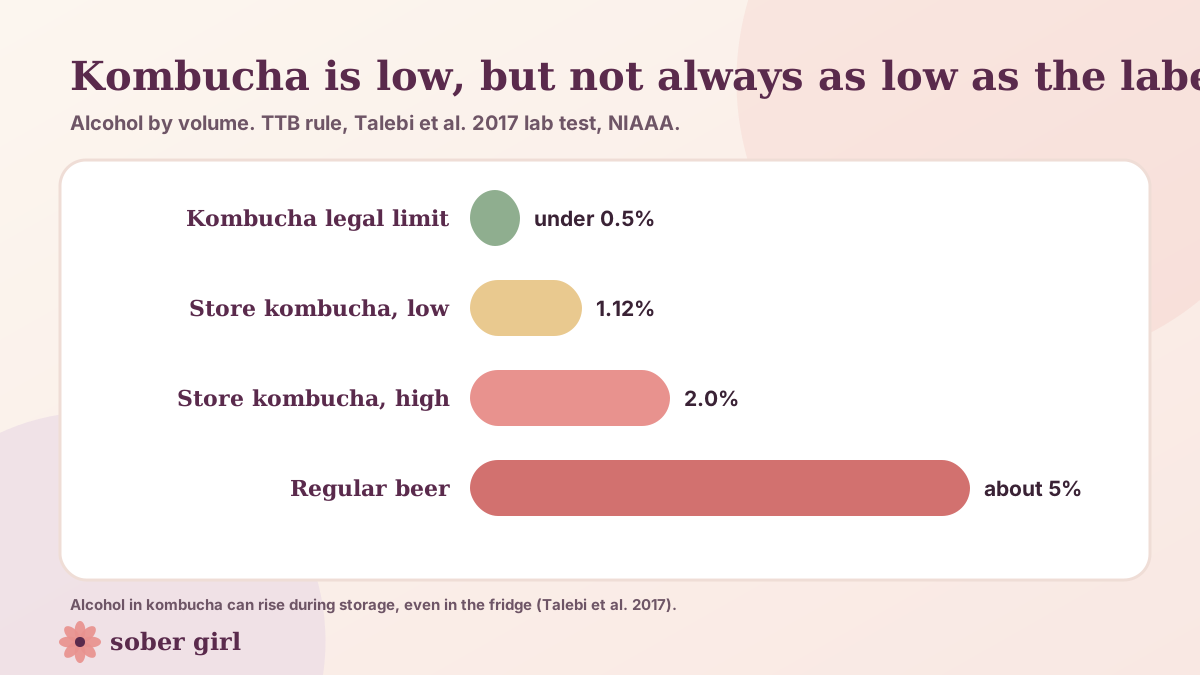
Yes, kombucha contains a small amount of alcohol because it is fermented. In the US, kombucha sold as a soft drink must stay below 0.5% alcohol by volume; at 0.5% or more it is legally an alcohol beverage, including when it gets there by fermenting further in the bottle [1]. Lab tests have found more than the label suggests: one study measured 1.12% to 2.00% in commercial samples, and the alcohol rose during 60 days of storage, even in the fridge [2]. That is still far less than beer at about 5% [3]. Whether it fits your sobriety is your call; the evidence on alcohol-free and low-alcohol drinks for people in recovery is limited [4].
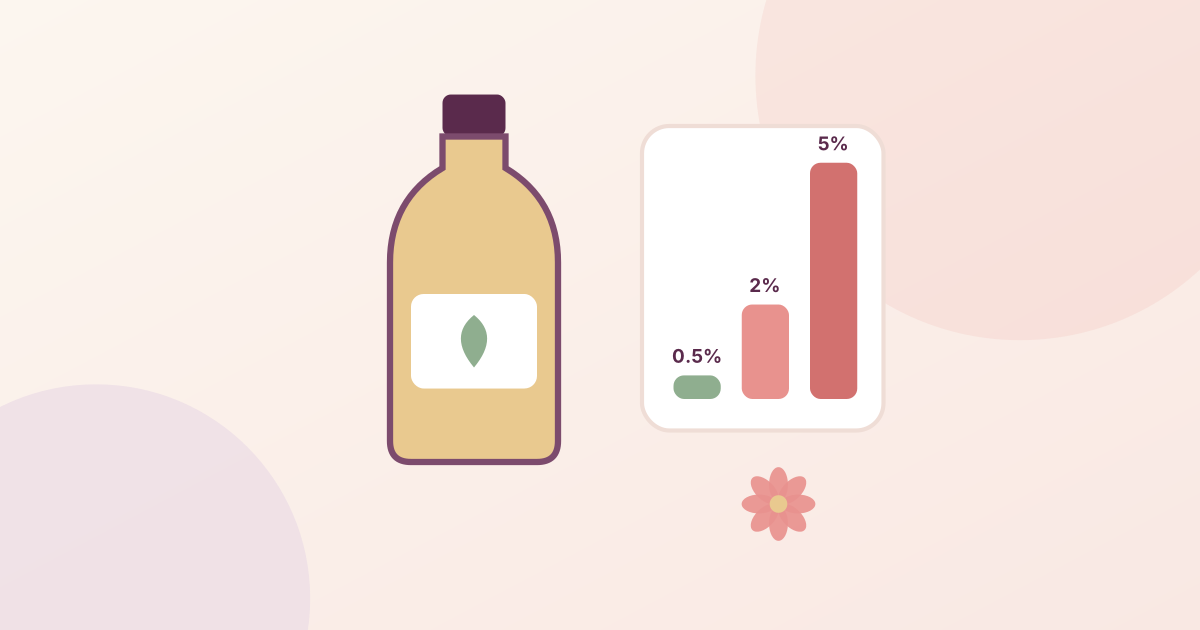
How much alcohol is in kombucha?
Picture the first weekend without wine. You want something cold, a little sour, something that feels like a grown-up drink, and kombucha is right there by the checkout. Then you read “contains trace alcohol” on the label and wonder if you just broke your streak.
Kombucha is sweetened tea fermented with yeast and bacteria. The yeast makes alcohol, the bacteria turn much of it into acid, and a little is left. Federal rules draw the line at 0.5% alcohol by volume: below it, kombucha is sold as a soft drink; at or above it, it is an alcohol beverage that must carry the government health warning [1].
| Drink | Alcohol by volume | Source |
|---|---|---|
| Kombucha sold as a soft drink (legal limit) | under 0.5% | Federal rule [1] |
| Commercial kombucha tested in a lab | 1.12% to 2.00% | Lab study, 2017 [2] |
| Regular beer | about 5% | NIAAA [3] |
Track it in Sober Girl
Why the alcohol can rise after you buy it
Raw kombucha is alive. The yeast keeps working after bottling, which is why the federal rules cover kombucha that crosses 0.5% through continued fermentation in the bottle [1]. In the 2017 lab study, the alcohol in tracked samples rose significantly over 60 days, both in a fridge at 4 °C and at room temperature [2]. Older bottles and bottles left out of the fridge are the ones most likely to have drifted up.
Home-brewed kombucha has no label and no testing, so its alcohol is anyone’s guess. If the number matters to you, buy pasteurized or “non-alcoholic” versions with a stated alcohol content and drink them fresh.
Can kombucha get you drunk?
In practice, no. A US standard drink holds 14 grams of alcohol, the amount in 12 ounces of 5% beer [3]. By our arithmetic, a 16-ounce bottle of kombucha at 0.5% holds about 1.9 grams, an eighth of a standard drink, and a bottle at the 2% top of the lab range about 7.5 grams, roughly half. At the legal limit you would need seven or eight bottles to match one beer. Alcohol leaves the blood at about 0.015% blood alcohol an hour on average [5], so small amounts spread over a meal do not build up.
Is kombucha OK if you are sober?
There is no single answer, and the research does not settle it: a 2026 commentary in Addiction says the evidence on alcohol-free and low-alcohol products for higher-risk groups is limited [4]. What helps is being honest about why you want it.
- If it is a tasty soft drink to you, many sober people drink it without a second thought.
- If the taste or the ritual pulls you toward a real drink, that is a reason to skip it, at least early on. The same goes for non-alcoholic beer and non-alcoholic wine.
- If you are tested for alcohol as part of treatment or monitoring, ask the program before drinking fermented drinks. Some urine tests are sensitive enough that the cutoff matters [6].
- If you are on disulfiram (Antabuse), ask your prescriber first, since disulfiram works by reacting to alcohol [7]. See medicines that help you quit.
Want something with no question mark at all? Sparkling water with lime, iced tea, or one of our easy mocktails cover the same evening slot.
Is Sober Girl right for you?
- use an iPhone or an Android phone
- want a private tracker, with your journal kept on your device
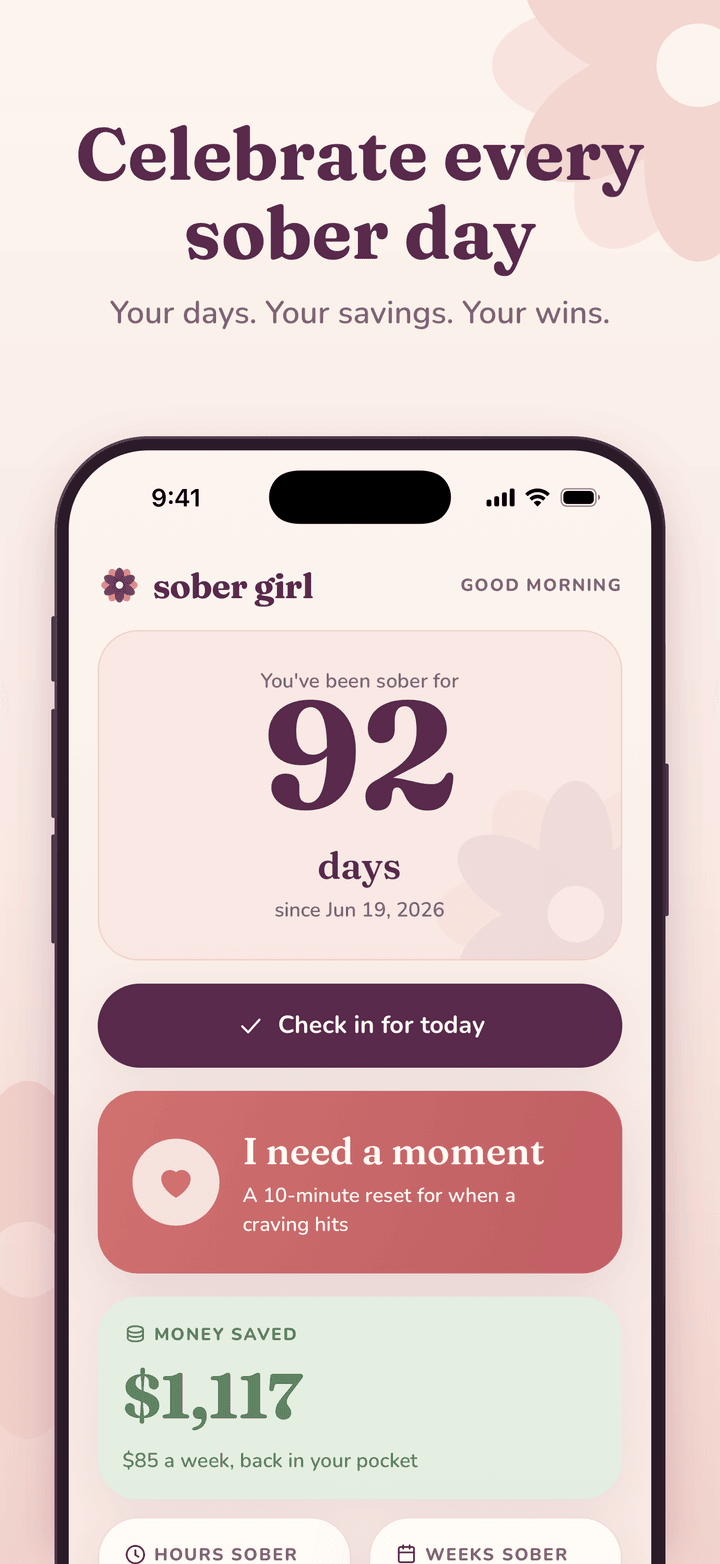
- want a day counter, money saved and a daily check-in in one calm place
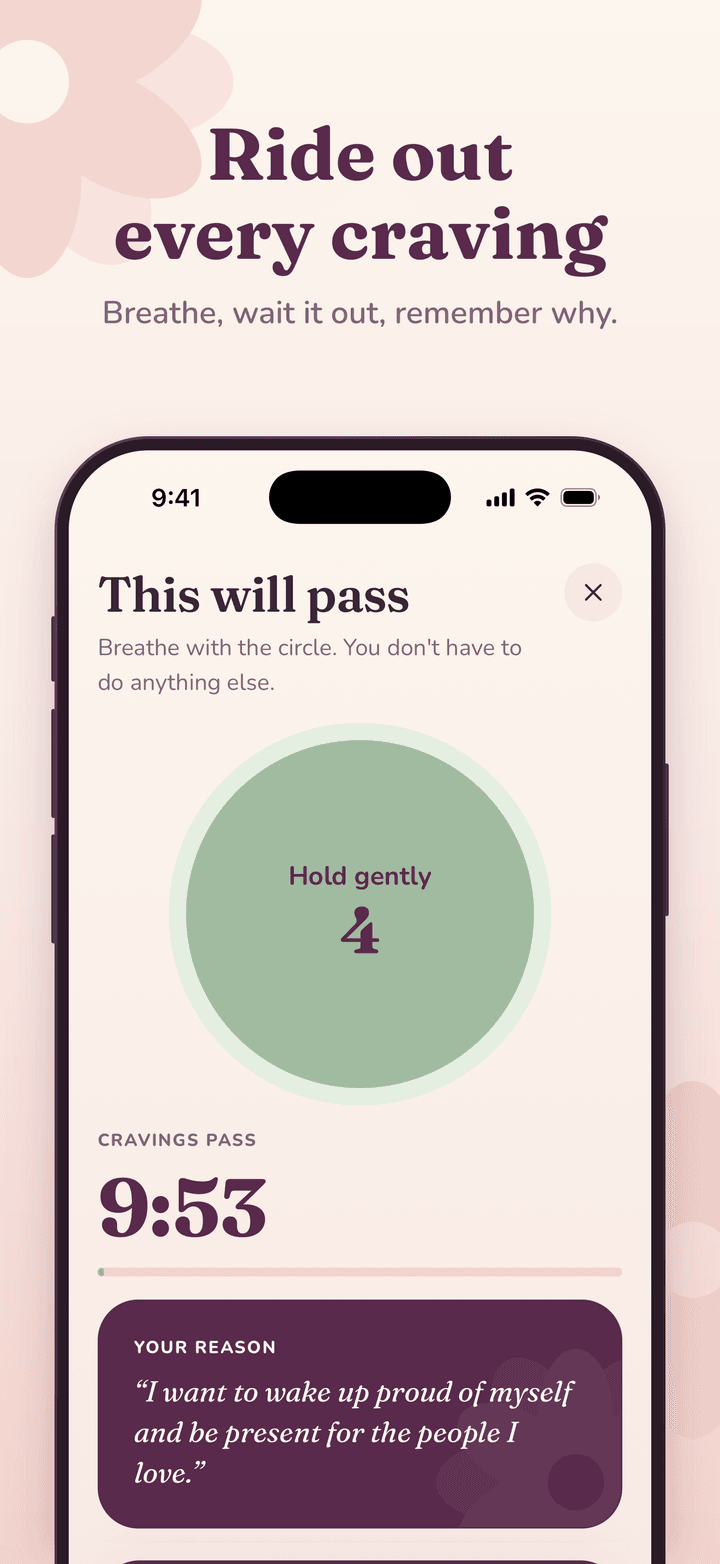
- want a Craving SOS with a breathing exercise and a 10-minute timer
- want to start free and add Plus only if you need the journal, insights or milestone cards
- want a community feed, live coaching or an AI chat
- want a structured multi-week education program
- need medical help for heavy drinking or withdrawal. An app is not treatment, so see the safety notes above
Frequently asked questions
Does kombucha have alcohol?
Yes, a small amount, because it is fermented. Kombucha sold as a soft drink in the US must be under 0.5% alcohol by volume, but lab tests have found 1.12% to 2.00% in some commercial bottles.
Can you get drunk on kombucha?
Not realistically. A 16-ounce bottle at the 0.5% limit holds about an eighth of a standard drink; even at 2% it is roughly half of one.
Does kombucha get more alcoholic in the fridge?
It can. In a lab study the alcohol in kombucha rose significantly over 60 days, both refrigerated and at room temperature. Fresh bottles are lower.
Is kombucha OK for someone in recovery?
It depends on the person. Some sober people drink it as a soft drink; others find the taste or ritual a trigger. The research on low-alcohol drinks in recovery is limited, so go with what keeps you steady.
Can kombucha make you fail an alcohol test?
Possibly, depending on the test and its cutoff. If you are being tested, ask the program before drinking fermented drinks.
Sources
- Kombucha. US Alcohol and Tobacco Tax and Trade Bureau (TTB), last updated 13 August 2019. Kombucha at 0.5% alcohol by volume or more is an alcohol beverage under federal rules, including when it reaches that level through continued fermentation in the bottle.
- Examination of the Varied and Changing Ethanol Content of Commercial Kombucha Products. Talebi M, Frink LA, Patel RA, Armstrong DW. Food Analytical Methods 2017;10:4062–4067. Lab test of commercial kombucha samples: 1.12% to 2.00% alcohol by volume, rising significantly during 60 days of storage both refrigerated (4 °C) and at room temperature (22 °C).
- What Is A Standard Drink?. NIAAA.
- Zero tolerance for 0%? How should clinicians and other practitioners respond to the use of alcohol-free and low-alcohol products in higher risk groups. Holmes J, Oldroyd CK, Drummond C, et al. Addiction, 2026. A commentary. It says the available evidence is limited and calls for more studies.
- Impact of Trauma, Massive Blood Loss and Administration of Resuscitation Fluids on a Person’s Blood-Alcohol Concentration and Rate of Ethanol Metabolism. Jones AW. Academic Forensic Pathology 2016;6(1):77–88. Forensic review. Mean elimination of alcohol from blood is 0.15 g/L an hour (0.015% BAC), 0.10 to 0.25 g/L an hour in most people, faster in chronic heavy drinkers (mean 0.22 g/L an hour in detox).
- The roles of phosphatidylethanol, ethyl glucuronide, and ethyl sulfate in identifying alcohol consumption among participants in professionals health programs. Reisfield GM, Teitelbaum SA, Opie SO, et al. Drug Testing and Analysis 2020;12(8):1102–1108. Urine EtG and EtS: 1 to 3 days at common cutoffs, up to 5 days after very heavy drinking at a low (100 ng/mL) cutoff. Blood PEth: half-life 2.4 to 13.6 days, detectable 60 days or longer after chronic heavy drinking.
- Treatment for Alcohol Problems: Finding and Getting Help. NIAAA, updated February 2025.
How we write these. Every figure above links to the source it came from, and we label self-reported and observational results as such. Where we could not find a source we trust, the page says so instead of filling the gap. Sober Girl is made by ShipAI Lab and this is not medical advice. Sources were checked on 6 October 2026. If you spot an error, email us at [email protected].
Keep reading
Today is day one.
Sober Girl is a private sobriety tracker for women, on iPhone and Android: day counter, money saved, craving SOS and a tree that grows with you. Free to start.