Sleep after quitting alcohol: why it can get worse first
Many people expect better sleep the moment they stop drinking, then lie awake. Here is why that happens, what the sources say about how long, and what is worth trying.
Sleep problems are common after stopping drinking. Alcohol can make you drowsy at first and then fragment sleep later in the night, and it can reduce REM sleep [1]. MedlinePlus says sleep disturbance after stopping can last for months for some people [2]. Many people do report better sleep eventually: 70% of Dry January participants said they slept better, though that is self-reported [3]. If insomnia persists, tell a doctor.
Why alcohol and sleep are tangled
Alcohol is a sedative, so many people use it to fall asleep. But the benefit does not last the night: a review of alcohol and the sleeping brain reports that alcohol can fragment sleep in the second half of the night and can reduce REM sleep [1]. That means regular evening drinking can quietly damage your sleep while feeling like it helps. When you stop, your body is adjusting to sleeping without it.
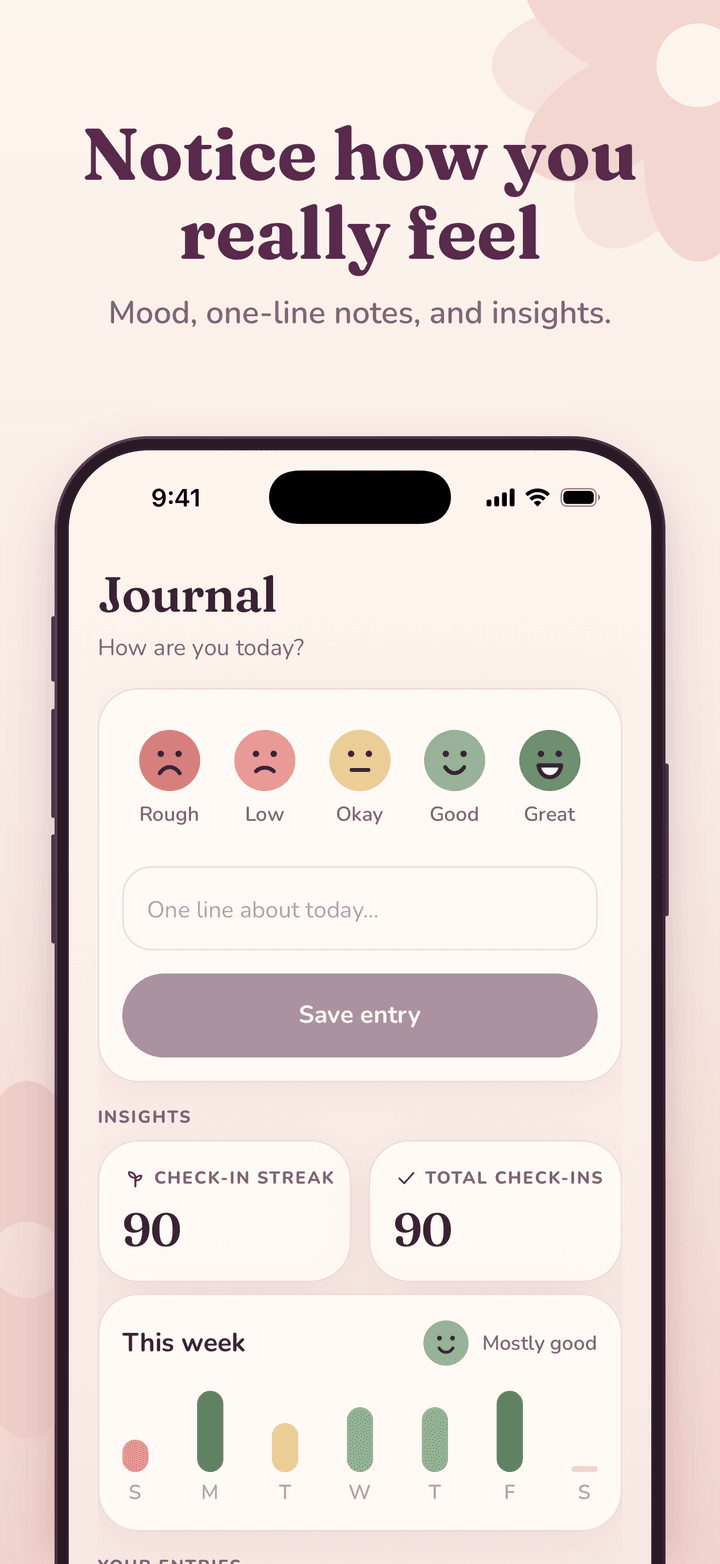
Track it in Sober Girl
How long can poor sleep last?
We cannot give a reliable number, and we will not invent one. MedlinePlus says that for people who go through alcohol withdrawal, symptoms peak between 24 and 72 hours but may persist for weeks, and that sleep disturbance and mood changes can last for months [2]. That is the honest range: for some people a few nights, for others much longer.
The good news is about direction. In Alcohol Change UK’s summary of a 2019 Dry January evaluation, 70% of participants said they slept better [3]. This is self-reported by people who chose to take part, so it is not a guarantee, but it matches what many people describe: it gets worse, then it gets better.
What is worth trying
This is general advice, not medical guidance:
- Keep a steady schedule. Same bedtime and wake time, including weekends.
- Make the evening ritual do the job the drink did. A bath, tea, a book, gentle stretching, a fixed wind-down hour. See what to do instead of drinking.
- Watch caffeine and screens late in the day.
- Move during the day. A walk or workout helps many people sleep.
- Do not fight the clock. If you are awake for a long time, get up, do something quiet, and go back when you feel sleepy.
- Track it. A short daily check-in on sleep and mood shows whether things are moving. Sober Girl has one, and our sobriety calculator shows how many days in you are.
When to see a doctor
If sleep problems persist or are affecting your mood or your day, tell a doctor. NIAAA advises seeing a doctor or mental health professional if symptoms such as depression or anxiety persist or get worse [5]. The SAMHSA National Helpline (1-800-662-4357) is free, confidential and open 24/7 [4].
Is Sober Girl right for you?
- use an Android phone (the iPhone app is coming soon)
- want a private tracker, with your journal kept on your device
- want a day counter, money saved and a daily check-in in one calm place
- want a Craving SOS with a breathing exercise and a 10-minute timer
- want to start free and add Plus only if you need the journal, insights or milestone cards
- need it on an iPhone today (the App Store version is coming soon)
- want a community feed, live coaching or an AI chat
- want a structured multi-week education program
- need medical help for heavy drinking or withdrawal. An app is not treatment, so see the safety notes above
Frequently asked questions
Why can’t I sleep after quitting drinking?
Alcohol disrupts sleep, and your body has to adjust to sleeping without it. MedlinePlus notes sleep disturbance after stopping can last for months in some people.
How long does insomnia last after quitting alcohol?
There is no reliable single figure. MedlinePlus says withdrawal symptoms peak at 24 to 72 hours and may persist for weeks, and sleep disturbance can last months. If it persists, see a doctor.
Does sleep get better after you stop drinking?
Many people say so. In a 2019 Dry January evaluation, 70% of participants self-reported better sleep. It can get worse before it gets better.
Does alcohol help you sleep?
It can make you drowsy at first, but it can fragment sleep later in the night and reduce REM sleep.
Sources
- Alcohol and the Sleeping Brain. PubMed Central, US National Library of Medicine.
- Alcohol withdrawal. MedlinePlus (US National Library of Medicine), reviewed 1 January 2025 by Frank D. Brodkey, MD.
- The evidence behind the Dry January challenge: benefits and long-term impact. Alcohol Change UK, summarising evaluations by Dr Richard de Visser, University of Sussex. Self-reported results from people who signed up to Dry January, not a controlled trial.
- National Helpline. SAMHSA. Free, confidential, 24/7 treatment referral line: 1-800-662-4357.
- Professional support. NIAAA, Rethinking Drinking. Lists the three FDA-approved medications for alcohol use disorder and when to see a health professional.
How we write these. Every figure above links to the source it came from, and we label self-reported and observational results as such. Where we could not find a source we trust, the page says so instead of filling the gap. Sober Girl is made by ShipAI Lab and this is not medical advice. Sources were checked on 6 October 2026. If you spot an error, email us at integrateopenai@gmail.com.
Keep reading
Today is day one.
Sober Girl is a private sobriety tracker for women, on Android now and coming soon to iPhone: day counter, money saved, craving SOS and a tree that grows with you. Free to start.