Alcohol poisoning symptoms: the signs, what to do right now, and what not to do
It is 1 a.m., your friend has gone quiet on the couch and you cannot tell whether they are sleeping or in trouble. This page is for that moment.
Alcohol poisoning, also called alcohol overdose, happens when so much alcohol is in the blood that the parts of the brain controlling breathing, heart rate and body temperature begin to shut down [1]. The signs are mental confusion or stupor, being unable to wake up, vomiting, seizures, slow breathing (fewer than 8 breaths a minute), irregular breathing (10 seconds or more between breaths), a slow heart rate, clammy skin, pale or bluish skin and a very low body temperature [1]. If you suspect it, call 911 immediately. Do not wait for every symptom to show up, and do not let the person sleep it off. A person who has passed out can die [1].
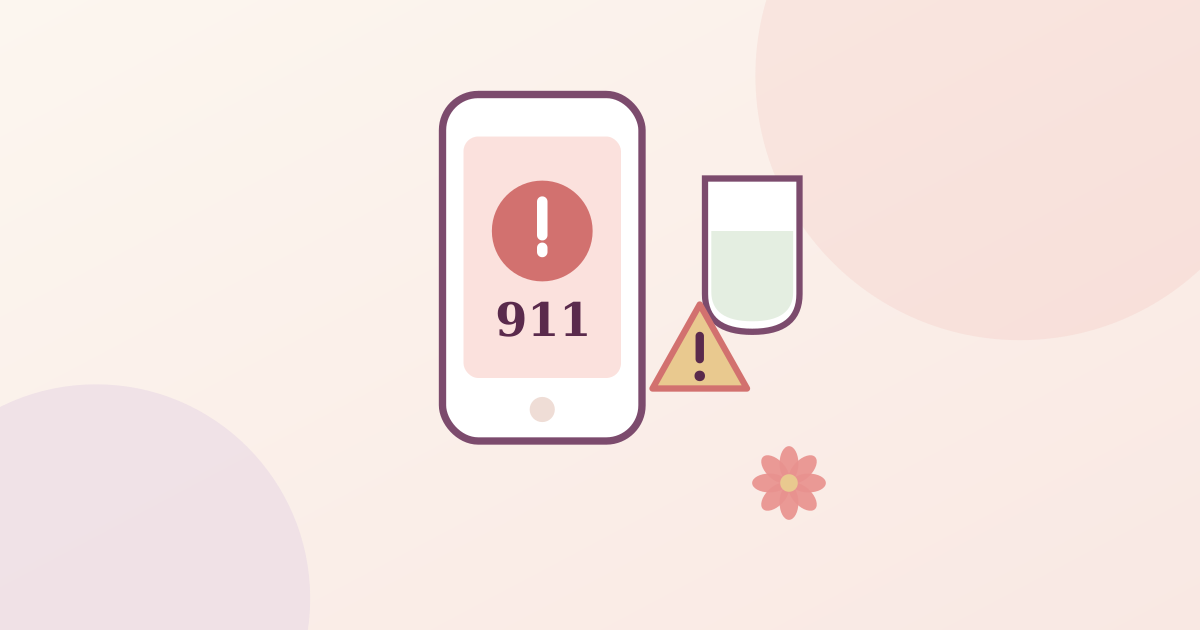
Signs of alcohol poisoning
The honest difficulty is that early alcohol poisoning looks a lot like being very drunk. NIAAA lists these as the critical signs of an alcohol overdose [1]:
- Mental confusion or stupor, and difficulty staying conscious or inability to wake up
- Vomiting
- Seizures
- Slow breathing: fewer than 8 breaths a minute
- Irregular breathing: 10 seconds or more between breaths
- A slow heart rate
- Clammy skin, and skin that is pale or bluish
- Dulled responses, such as no gag reflex, which is what normally prevents choking
- Extremely low body temperature
You do not need all of them. NIAAA says not to wait for the person to have all the symptoms, and to be aware that a person who has passed out can die [1]. One of these signs is enough to call.
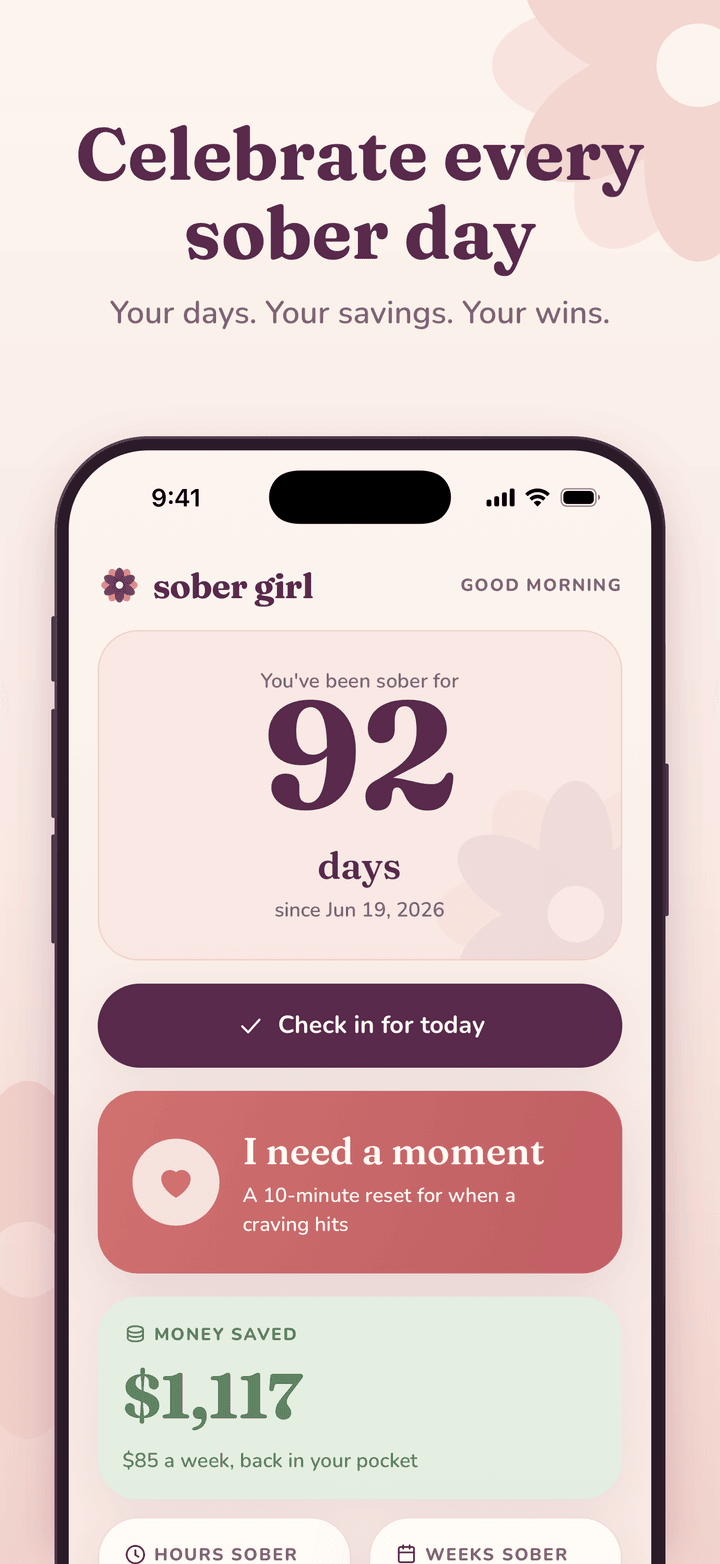
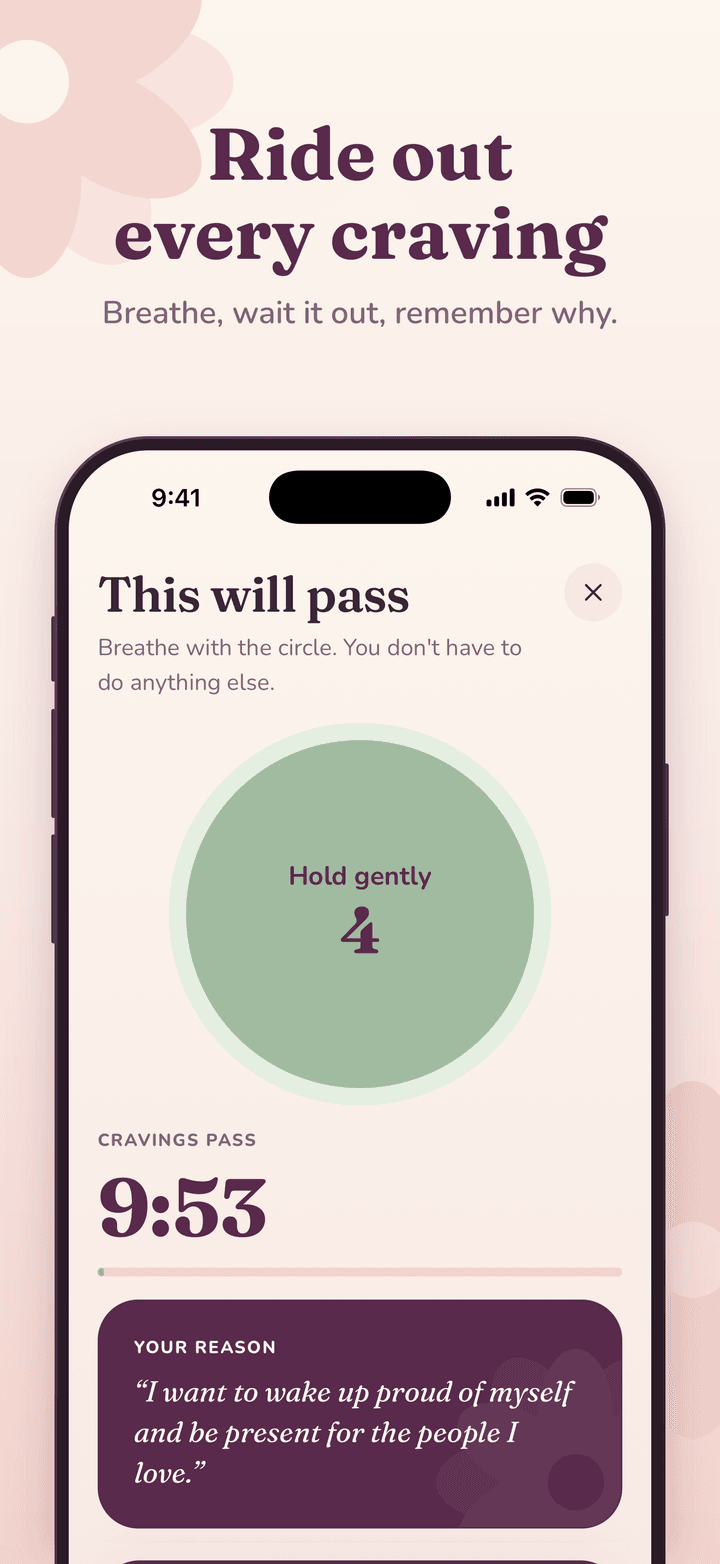
Track it in Sober Girl
What to do right now
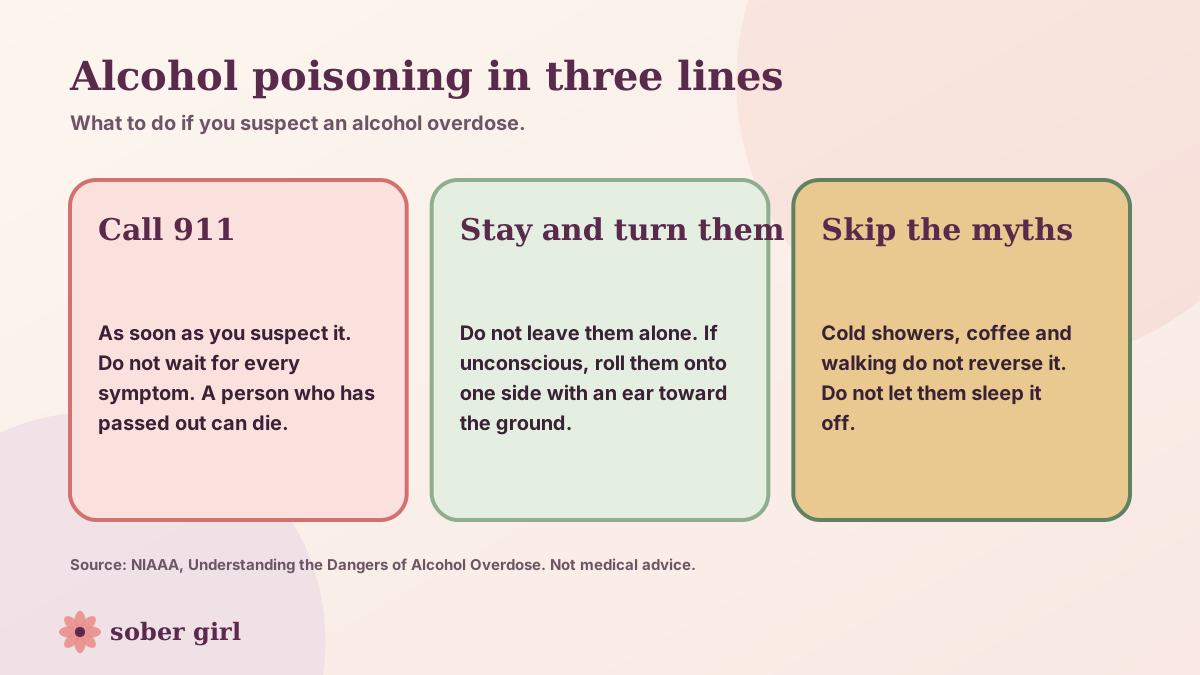
- Call 911 (or your local emergency number) straight away if you suspect an overdose [1].
- Stay with the person. Do not leave an intoxicated person alone, because they can be hurt in a fall or choke [1].
- Tell the responders what you know: the type and amount of alcohol, any other drugs, and health details such as medications, allergies and existing conditions [1].
- Keep them on the ground in a sitting or partly upright position, not in a chair [1].
- If they are vomiting, have them lean forward so they do not choke [1].
- If they are unconscious or lying down, roll them onto one side with an ear toward the ground to prevent choking [1].
What does not work
| What people try | Why it fails |
|---|---|
| Let them sleep it off | Blood alcohol can keep rising while they are asleep or unconscious, and they can choke on vomit without a gag reflex |
| A cold shower | It does not reverse alcohol overdose and could make things worse |
| Hot coffee | It does not reverse the effects of alcohol and could make things worse |
| Walking them around | It does not reverse the effects either, and a person who may pass out can fall |
| Waiting to see if more symptoms appear | A person who has passed out can die, so call as soon as you suspect it |
The phrase NIAAA uses is blunt: do not play doctor [1]. Leave treatment to the emergency responders and keep the person safe until they arrive.
Why it gets worse after someone stops drinking
This is the part that surprises people. Blood alcohol concentration (BAC) can keep rising even after a person stops drinking or is unconscious, because the alcohol still in the stomach and intestine continues to enter the bloodstream [1]. A person who looks stable at midnight can be in more danger at 1 a.m.
At very high levels, alcohol also hinders the brain signals that control automatic responses, including the gag reflex. With no gag reflex, a person who passes out can choke on their own vomit and die from lack of oxygen, and even a person who survives can have long-lasting brain damage [1].
Drunk or poisoned? How to tell the difference
| Stage | What you may see |
|---|---|
| Small rise in BAC | Poorer coordination, feeling sick, clouded judgment; more risk of falls, crashes, violence and unintended sex |
| High BAC | Blackouts (gaps in memory), passing out and, at the extreme, death |
| Alcohol overdose | Confusion, cannot stay conscious, vomiting, seizures, slow or irregular breathing, slow heart rate, clammy or bluish skin, very low body temperature |
Two quick checks from the NIAAA list: can you wake them, and are they breathing normally? If the person cannot be woken, is breathing slowly or irregularly, or has blue or pale skin, treat it as an emergency. If you are unsure, call anyway.
Who is at risk, and what raises it
Anyone who drinks too much too quickly can be in danger, especially people who binge drink or drink at high intensity. NIAAA defines binge drinking as bringing BAC to 0.08% or higher, which for a typical adult is five or more drinks (male) or four or more (female) in about two hours, and high-intensity drinking as two or more times those thresholds. Teenagers and young adults are at particular risk [1].
The point where impairment becomes danger varies from person to person. NIAAA lists age, tolerance, sex, speed of drinking, medications and how much food you have eaten as factors [1]. A US standard drink is 14 grams of pure alcohol [2]; for sizes, see how much alcohol is too much.
After an emergency, and if you are worried about your own drinking
An episode like this is a loud signal, whether it was your friend or you. If it was you, it is worth asking honestly how often you drink to this point. Our guides on blackouts and Blackout Wednesday, the first day without alcohol and gray area drinking can help you decide what comes next.
If you drink heavily every day, do not stop suddenly on your own, because withdrawal can be dangerous too. See the alcohol withdrawal timeline and delirium tremens.
Is Sober Girl right for you?
- use an iPhone or an Android phone
- want a private tracker, with your journal kept on your device
- want a day counter, money saved and a daily check-in in one calm place
- want a Craving SOS with a breathing exercise and a 10-minute timer
- want to start free and add Plus only if you need the journal, insights or milestone cards
- want a community feed, live coaching or an AI chat
- want a structured multi-week education program
- need medical help for heavy drinking or withdrawal. An app is not treatment, so see the safety notes above
Frequently asked questions
What are the signs of alcohol poisoning?
Confusion or stupor, being unable to wake up, vomiting, seizures, slow breathing (fewer than 8 breaths a minute), irregular breathing, a slow heart rate, clammy pale or bluish skin and a very low body temperature.
Can you sleep off alcohol poisoning?
No. Blood alcohol can keep rising while someone sleeps or is unconscious, and without a gag reflex they can choke on vomit. NIAAA says it is dangerous to assume an unconscious person will be fine.
Is alcohol poisoning the same as alcohol overdose?
Yes. NIAAA says an alcohol overdose is sometimes referred to as alcohol poisoning: so much alcohol in the blood that brain areas controlling breathing, heart rate and temperature start to shut down.
What should you do if someone is unconscious from drinking?
Call 911, stay with them, and roll them onto one side with an ear toward the ground so they do not choke. Give responders the details about the alcohol, other drugs and any health conditions.
Do cold showers, coffee or walking help?
No. NIAAA says cold showers, hot coffee and walking do not reverse the effects of alcohol overdose and could actually make things worse.
Can mixing alcohol with medicines cause poisoning at moderate amounts?
Yes. Combining alcohol with opioids, sleep aids or anti-anxiety medicines, and even some antihistamines, can intensify effects and produce an overdose with even moderate amounts of alcohol.
Can blood alcohol keep rising after someone stops drinking?
Yes. Alcohol still in the stomach and intestine continues to enter the bloodstream, so BAC can keep rising when a person stops drinking or passes out.
Who is most at risk of alcohol poisoning?
Anyone who drinks too much too quickly, especially binge and high-intensity drinkers, and teenagers and young adults. Age, tolerance, sex, speed of drinking, medicines and food all matter.
Sources
- Understanding the Dangers of Alcohol Overdose. NIAAA fact sheet, read 7 November 2026. Alcohol overdose, sometimes called alcohol poisoning, is when so much alcohol is in the blood that the brain areas controlling breathing, heart rate and temperature begin to shut down. Lists the danger signs, says to call 911 and not to leave the person alone, and says cold showers, hot coffee and walking do not help.
- What Is A Standard Drink?. NIAAA.
How we write these. Every figure above links to the source it came from, and we label self-reported and observational results as such. Where we could not find a source we trust, the page says so instead of filling the gap. Sober Girl is made by ShipAI Lab and this is not medical advice. Sources were checked on 6 October 2026. If you spot an error, email us at [email protected].
Keep reading
Today is day one.
Sober Girl is a private sobriety tracker for women, on iPhone and Android: day counter, money saved, craving SOS and a tree that grows with you. Free to start.