How to quit drinking on your own: what is safe, and what is not
Some people can stop without medical help, and some cannot do so safely. Here is how to tell which applies, and a practical plan if it is you.
Whether you can quit drinking on your own depends on how much and how often you drink. If you drink heavily or every day, stopping suddenly can cause dangerous withdrawal, so speak to a doctor first [1]. If you drink less and want to stop, the practical steps are to pick a date, tell someone, remove alcohol from home, plan for urges using strategies such as riding them out [2], and track your days. Medication is available through a doctor [3], and the SAMHSA helpline (1-800-662-4357) is free and open 24/7 [4].
Start here: is it safe to stop on your own?
MedlinePlus lists the symptoms of withdrawal as including anxiety, shakiness, sweating, headaches, insomnia, nausea, a rapid heart rate and hand tremors, with severe cases involving confusion, fever, hallucinations and seizures [1]. If you recognise those from past attempts, or you drink most days, make a call to your doctor your first step. That is not failure. It is the safe way to do this.
Track it in Sober Girl
A practical plan if it is safe for you
This is general advice, not medical guidance:
- Pick a date. Soon, but not tonight in a panic. A date makes it real.
- Write your reason. One sentence you can read in a few seconds.
- Tell someone. One person who will ask how it is going.
- Clear the house. Remove or give away what is there.
- Plan your evenings. Most people drink at set times. Decide what you will do instead for the first two weeks.
- Prepare for urges. NIAAA recommends riding the urge out, reminding yourself of your reasons, talking it through, distracting yourself and leaving tempting situations [2].
- Track your days. A visible count turns “I am trying” into a streak you can protect.
What to expect
We cannot promise a timeline. For people who go through withdrawal, symptoms peak between 24 and 72 hours but may persist for weeks, and sleep and mood effects can last for months [1]. In one BMJ Open study of 94 people who abstained for a month, insulin resistance, blood pressure and weight fell significantly, though it was observational and excluded people with alcohol dependence [5].
Lining up support
- A doctor. NIAAA says three medications are FDA-approved for alcohol use disorder, and none is addictive [3].
- Find treatment. The NIAAA Alcohol Treatment Navigator helps adults find evidence-based care [6].
- A helpline. The SAMHSA National Helpline: 1-800-662-4357, free, confidential, 24/7 [4].
- A women’s program. Women for Sobriety is a nonprofit offering free weekly meetings for women, in person and online [7].
- A tracker. An app can keep your count and give you a tool for hard moments, but it does not replace any of the above. See our guide to the best app to quit drinking.
Is Sober Girl right for you?
- use an Android phone (the iPhone app is coming soon)
- want a private tracker, with your journal kept on your device
- want a day counter, money saved and a daily check-in in one calm place
- want a Craving SOS with a breathing exercise and a 10-minute timer
- want to start free and add Plus only if you need the journal, insights or milestone cards
- need it on an iPhone today (the App Store version is coming soon)
- want a community feed, live coaching or an AI chat
- want a structured multi-week education program
- need medical help for heavy drinking or withdrawal. An app is not treatment, so see the safety notes above
Frequently asked questions
Can I quit drinking on my own?
If you drink lightly or moderately, many people can. If you drink heavily or every day, stopping suddenly can be dangerous, so speak to a doctor first.
How do I stop drinking alcohol?
Pick a date, write your reason, tell someone, clear alcohol from your home, plan your evenings, prepare for urges and track your days. If you drink heavily, involve a doctor.
What are the signs of alcohol withdrawal?
MedlinePlus lists anxiety, shakiness, sweating, headaches, insomnia, nausea, rapid heart rate and tremors, with severe cases involving confusion, fever, hallucinations and seizures. Seek emergency care for the severe signs.
Where can I get help?
The SAMHSA National Helpline (1-800-662-4357) is free, confidential and open 24/7. The NIAAA Alcohol Treatment Navigator helps you find care.
Sources
- Alcohol withdrawal. MedlinePlus (US National Library of Medicine), reviewed 1 January 2025 by Frank D. Brodkey, MD.
- How to Stop Alcohol Cravings. NIAAA, Rethinking Drinking.
- Professional support. NIAAA, Rethinking Drinking. Lists the three FDA-approved medications for alcohol use disorder and when to see a health professional.
- National Helpline. SAMHSA. Free, confidential, 24/7 treatment referral line: 1-800-662-4357.
- Short-term abstinence from alcohol and changes in cardiovascular risk factors, liver function tests and cancer-related growth factors: a prospective observational study. Mehta G, Macdonald S, Cronberg A, et al. BMJ Open 2018;8:e020673. Observational study. 94 people who chose to abstain for a month and 47 who kept drinking.
- NIAAA Alcohol Treatment Navigator. NIAAA.
- Women for Sobriety. Women for Sobriety (501(c)(3) nonprofit), website retrieved 6 October 2026.
How we write these. Every figure above links to the source it came from, and we label self-reported and observational results as such. Where we could not find a source we trust, the page says so instead of filling the gap. Sober Girl is made by ShipAI Lab and this is not medical advice. Sources were checked on 6 October 2026. If you spot an error, email us at integrateopenai@gmail.com.
Keep reading
Today is day one.
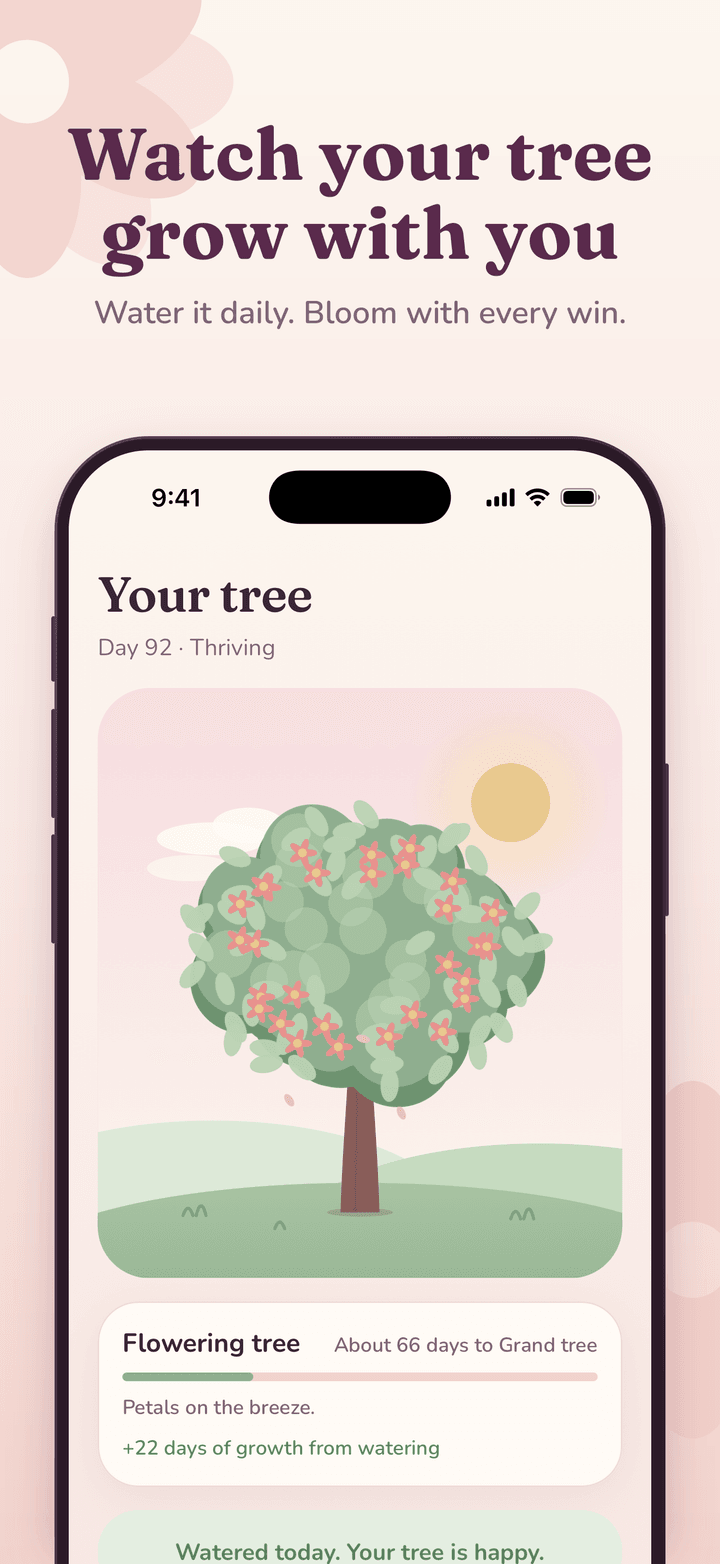
Sober Girl is a private sobriety tracker for women, on Android now and coming soon to iPhone: day counter, money saved, craving SOS and a tree that grows with you. Free to start.