Acamprosate for alcohol: what it does, what it does not, and how well it works
It is a pill for after you stop drinking, not a pill that stops you drinking. That one difference explains most of what people get wrong about it.
Acamprosate (the brand name Campral is the one people search for) is a prescription medicine used with counseling and support to help people who have already stopped drinking heavily avoid drinking again [1]. It is a delayed-release tablet taken three times a day, and it works only while you take it. Unlike disulfiram it does not make you ill if you drink [1]. In a 2023 review of 118 trials, about 11 people needed to take acamprosate for one more person to avoid returning to any drinking [2]. It is non-addictive and one of three medicines approved in the US for alcohol use disorder [3].
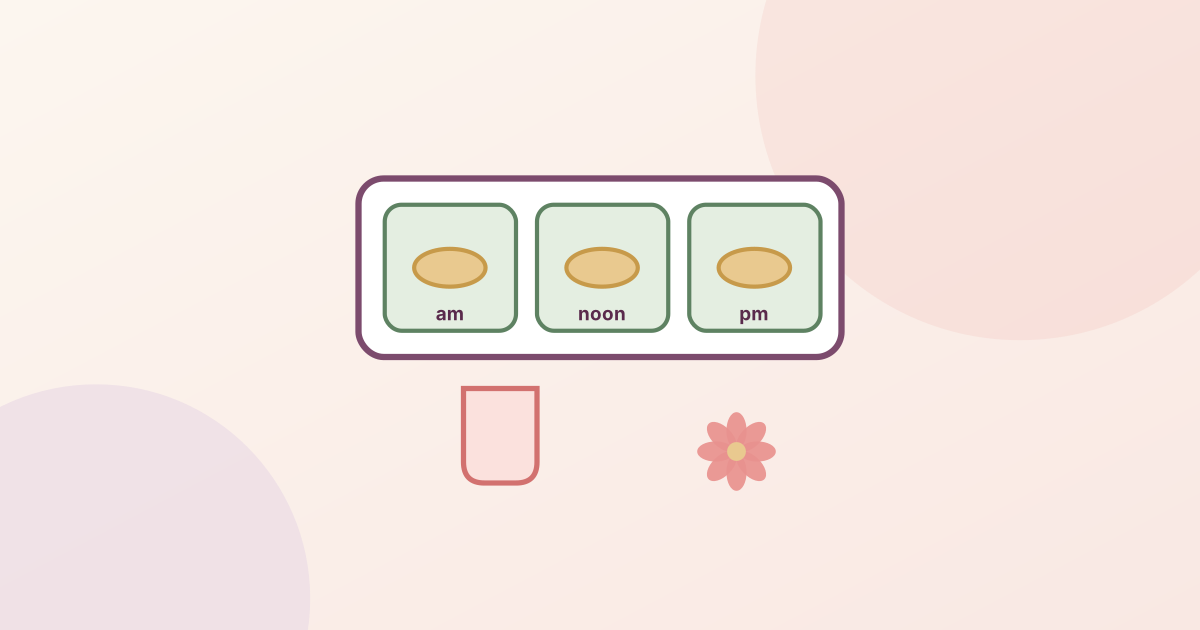
What is acamprosate?
Picture week three. The shakes are long gone, the hardest nights are behind you, and yet a flat, restless feeling follows you around the house at 6 p.m. That quiet, uncomfortable stretch is what acamprosate is aimed at. It is meant for the weeks and months after you stop, when the urge to drink has less to do with withdrawal and more to do with how the brain settles back down.
MedlinePlus says it is used along with counseling and social support to help people who have stopped drinking large amounts of alcohol avoid drinking again. It belongs to a class described as GABA agonist and glutamate antagonist medicines and works by balancing chemicals in the brain [1]. NIAAA groups it with naltrexone and disulfiram as the three medicines approved in the US for alcohol use disorder, and none of them is addictive [3].
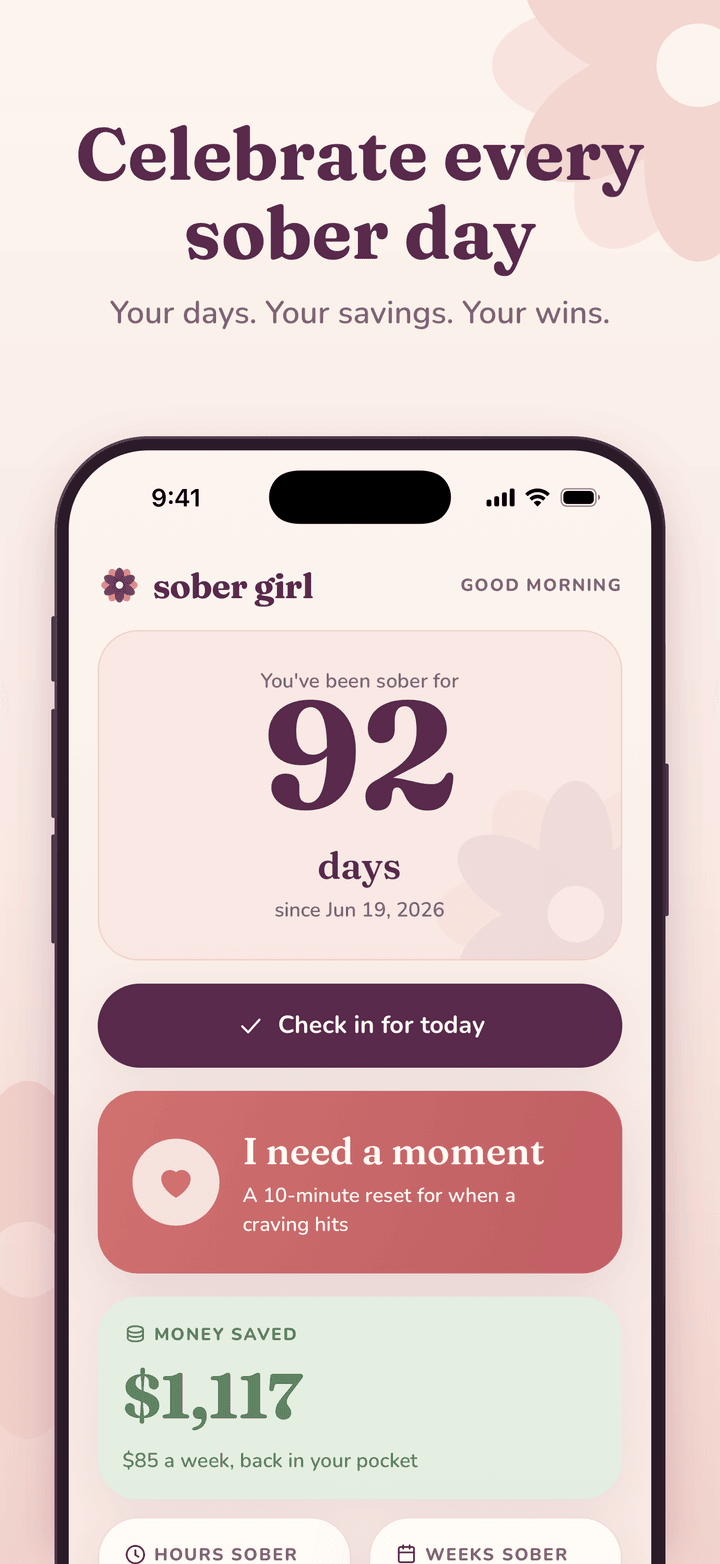
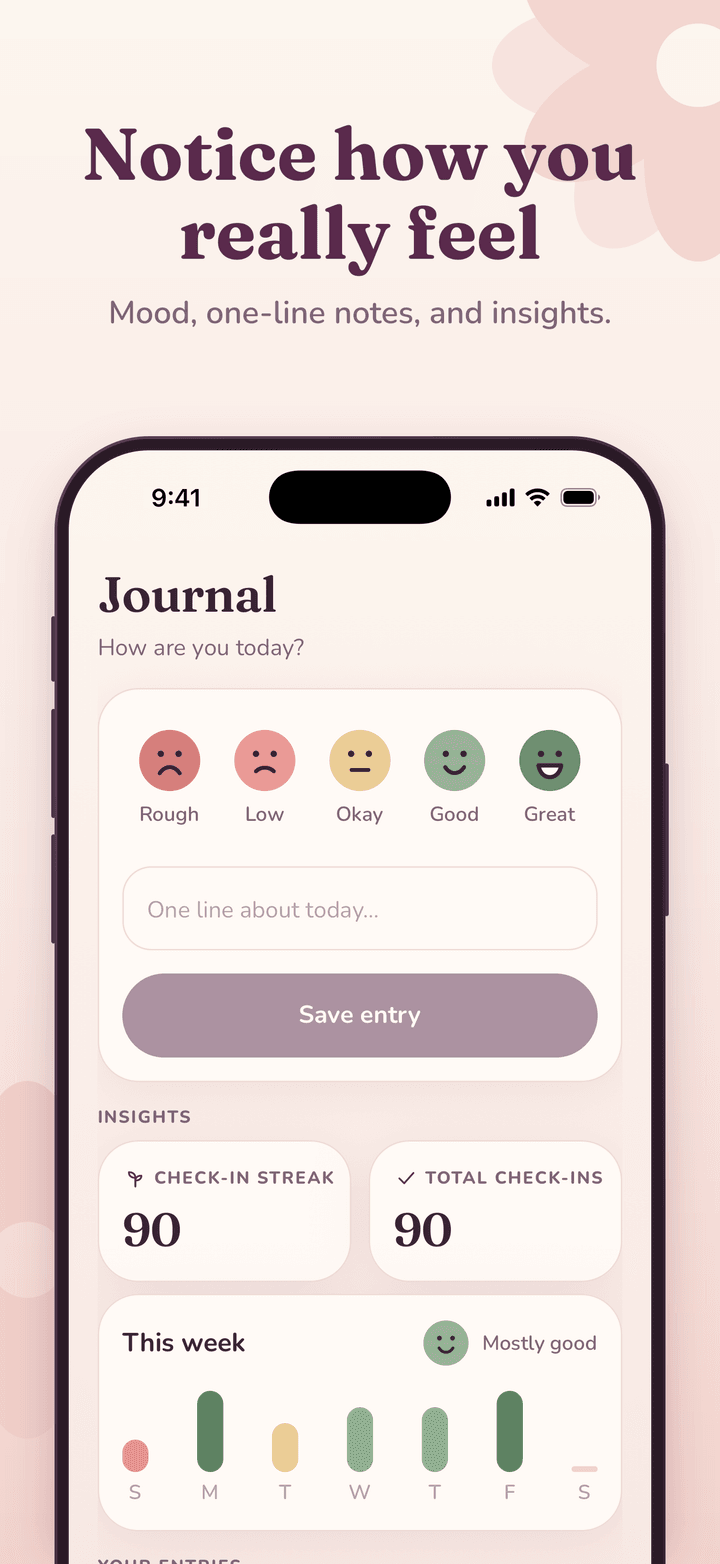
Track it in Sober Girl
How you take it, and what to know first
- Three times a day, at around the same times, as a delayed-release tablet. Swallow it whole; do not split, chew or crush it [1].
- Start after you have stopped drinking. It is for staying stopped, not for stopping.
- It helps only while you take it, so keep taking it even if you feel fine, and do not stop without talking to your doctor [1].
- If you drink while on it, keep taking it and tell your doctor. Acamprosate does not cause an unpleasant reaction with alcohol [1].
- Tell your doctor about kidney disease and about any depression or thoughts of harming yourself. MedlinePlus says acamprosate does not reduce, and may increase, the risk of self-harm, and depression can appear even if you do not go back to drinking [1]. In the US, call or text 988 if you are in crisis [4].
- It can affect thinking and coordination, so do not drive until you know how it affects you [1].
Does acamprosate work?
It works for some people, modestly. The 2023 JAMA review pooled 118 trials with 20,976 participants. To prevent one person from returning to any drinking, the number needed to treat was 11 for acamprosate and 18 for oral naltrexone at 50 mg a day. For return to heavy drinking, the number was 11 for oral naltrexone [2]. The earlier JAMA review of 122 trials found acamprosate at 12 and oral naltrexone at 20 for any drinking, with no significant difference between the two [5].
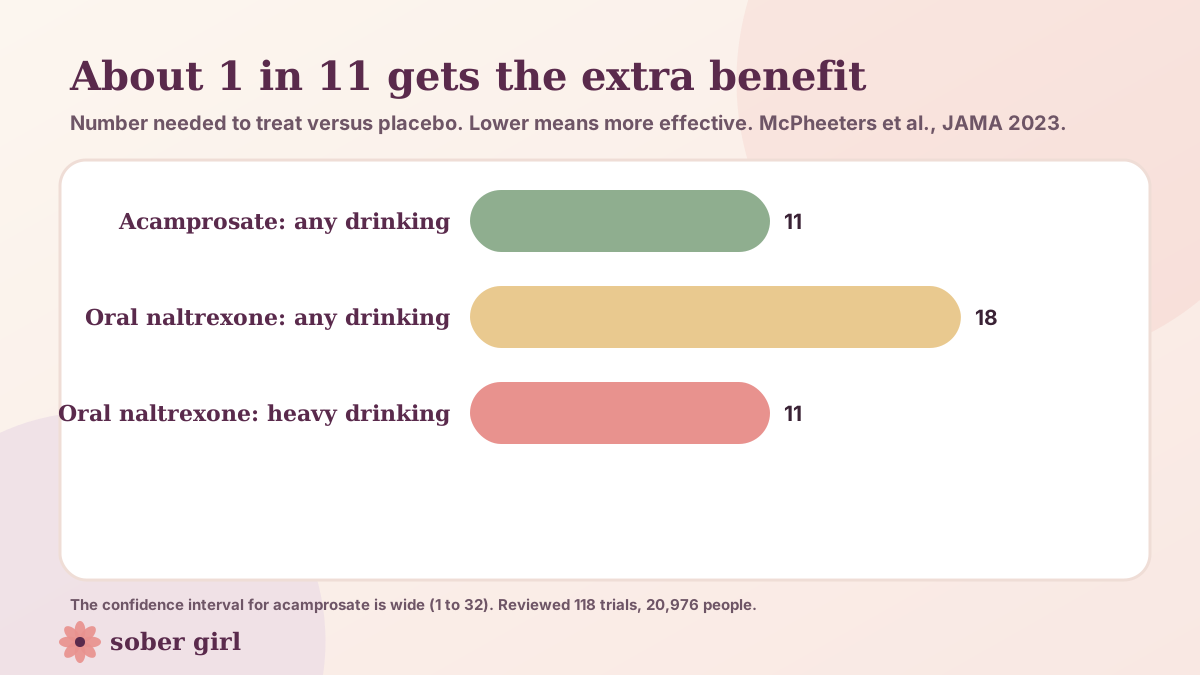
Read that number carefully. A number needed to treat of 11 means that for every 11 people who take acamprosate, one more avoids a return to drinking than would have with a placebo. It does not mean 1 in 11 people benefit overall, and the confidence interval for acamprosate is wide (1 to 32) [2]. Few people get a medicine at all: in the US, only 1.6% of adults with alcohol use disorder reported using one in the past year [6].
Side effects
In the 2023 review, acamprosate caused more stomach and bowel trouble than placebo, mainly diarrhea (risk ratio 1.58) [2]. Naltrexone was linked to more nausea and vomiting in the same review [2]. Your doctor can tell you what else to watch for with your health history.
Acamprosate, naltrexone or Antabuse?
| Acamprosate | Naltrexone | Disulfiram (Antabuse) | |
|---|---|---|---|
| What it does | Helps you stay stopped after you quit [1] | Reduces the urge to drink [3] | Makes drinking cause unpleasant symptoms [7] |
| Reaction if you drink | None [1] | No deterrent reaction; it works on urges [3] | Flushing, nausea, headache and more [7] |
| How often | Three times a day [1] | Daily pill or monthly injection [3] | Once a day [7] |
Full detail is on the pages about naltrexone, acamprosate and Antabuse together and about Antabuse (disulfiram). Ask your own doctor, or an addiction specialist, how to start; NIAAA explains how to find treatment [3].
Who acamprosate suits
The label use is narrow and clear: people who have already stopped drinking large amounts and want help staying stopped, alongside counseling and social support [1]. It is not a withdrawal treatment, so it is not what a doctor reaches for in the first days. It is something you ask about once the acute phase is behind you, or discuss before you plan to stop so it can start at the right time.
That also explains why many people never hear about it. Only 1.6% of US adults with alcohol use disorder reported using any medication for it in the past year [6]. If you have been white-knuckling it, a conversation about medicines that help is a reasonable next step, and our guide on white knuckling sobriety covers the willpower-only approach.
Side effects in full, and what is serious
MedlinePlus lists these as common effects to mention to your doctor if they are severe or do not go away: diarrhea, gas, upset stomach, nausea, loss of appetite, dry mouth, dizziness, itching, weakness, anxiety, trouble sleeping and sweating [1].
Call your doctor right away for the uncommon serious ones: burning, tingling or numbness in the hands, feet, arms or legs, or a rash [1]. Also call right away for symptoms of depression, such as sadness, hopelessness, loss of interest, trouble concentrating, sleep and appetite changes, or any thoughts of harming yourself. MedlinePlus asks you to make sure your family knows which symptoms are serious, in case you cannot ask for help yourself [1].
Missed doses, food and everyday questions
- Missed a dose? Take it as soon as you remember. If it is almost time for the next one, skip the missed dose. Never double up [1].
- With food? Either way is fine, and you should continue your normal diet unless your doctor says otherwise [1].
- Overdose or emergency? In the US, call the poison control helpline at 1-800-222-1222, and call emergency services if someone has collapsed, had a seizure or cannot be woken [1].
- Storage: keep it tightly closed at room temperature, away from heat and moisture and out of reach of children [1].
Questions to bring to your doctor
- Is acamprosate, naltrexone or disulfiram the best fit given my health, other medicines and goals?
- How soon after my last drink should I start, and for how long should I take it?
- Do I have kidney disease or a history of depression that changes the plan?
- What should I do if I drink while taking it?
- What counseling or support should I pair it with? The label use assumes counseling and social support [1].
Is Sober Girl right for you?
- use an iPhone or an Android phone
- want a private tracker, with your journal kept on your device
- want a day counter, money saved and a daily check-in in one calm place
- want a Craving SOS with a breathing exercise and a 10-minute timer
- want to start free and add Plus only if you need the journal, insights or milestone cards
- want a community feed, live coaching or an AI chat
- want a structured multi-week education program
- need medical help for heavy drinking or withdrawal. An app is not treatment, so see the safety notes above
Frequently asked questions
What is acamprosate used for?
It is used with counseling and social support to help people who have already stopped drinking heavily avoid drinking again.
Does acamprosate make you sick if you drink?
No. Unlike disulfiram (Antabuse), it does not cause an unpleasant reaction with alcohol. If you drink while taking it, keep taking it and tell your doctor.
Is acamprosate addictive?
No. NIAAA lists acamprosate, naltrexone and disulfiram as the three US-approved medicines for alcohol use disorder, and none of them is addictive.
How well does acamprosate work?
In a 2023 review of 118 trials, about 11 people needed to take it for one more person to avoid returning to any drinking, with no clear difference from naltrexone in an earlier review.
What are the side effects of acamprosate?
The most common in trials was diarrhea. MedlinePlus also warns it can affect thinking and coordination and can bring on depression, so tell your doctor about any low mood.
What should I do if I miss a dose of acamprosate?
Take it as soon as you remember. If it is almost time for your next dose, skip the missed one and carry on. Do not take a double dose.
Can I take acamprosate with food?
Yes, with or without food. MedlinePlus says to continue your normal diet unless your doctor tells you otherwise.
What are the serious side effects of acamprosate?
Uncommon serious effects include burning, tingling or numbness in the hands or feet and a rash. Symptoms of depression or thoughts of self-harm need a call to your doctor right away.
Sources
- Acamprosate. MedlinePlus (US National Library of Medicine), read 7 November 2026. Drug information page. A delayed-release tablet taken three times a day, used with counseling and social support after you have stopped drinking. It does not cause an unpleasant reaction if you drink.
- Pharmacotherapy for Alcohol Use Disorder: A Systematic Review and Meta-Analysis. McPheeters M, O’Connor EA, Riley S, et al. JAMA 2023;330:1653–1665. Meta-analysis of 118 trials and 20,976 participants. Number needed to treat to prevent a return to any drinking: 11 for acamprosate (95% CI 1 to 32) and 18 for oral naltrexone 50 mg a day (95% CI 4 to 32); to prevent a return to heavy drinking, 11 for oral naltrexone. Diarrhea was more common with acamprosate (risk ratio 1.58).
- Treatment for Alcohol Problems: Finding and Getting Help. NIAAA, updated February 2025.
- 988 Suicide & Crisis Lifeline. 988 Lifeline. Call, text or chat, free and confidential, 24/7.
- Pharmacotherapy for Adults With Alcohol Use Disorders in Outpatient Settings: A Systematic Review and Meta-analysis. Jonas DE, Amick HR, Feltner C, et al. JAMA 2014;311(18):1889–1900. Meta-analysis of 122 randomized trials and 1 cohort study (22,803 participants). Number needed to treat to prevent return to any drinking: 12 for acamprosate, 20 for oral naltrexone; to prevent return to heavy drinking: 12 for oral naltrexone. No significant difference between the two.
- Use of Medications for Alcohol Use Disorder in the US: Results From the 2019 National Survey on Drug Use and Health. Han B, Jones CM, Einstein EB, Powell PA, Compton WM. JAMA Psychiatry 2021;78(8):922–924. Of 14.1 million US adults with past-year alcohol use disorder, 1.6% (about 223,000) reported using a medication for it.
- Disulfiram. MedlinePlus (US National Library of Medicine), read 7 November 2026. Drug information page. Unpleasant effects begin about 10 minutes after alcohol enters the body and last an hour or more; a reaction can occur for up to 2 weeks after stopping.
How we write these. Every figure above links to the source it came from, and we label self-reported and observational results as such. Where we could not find a source we trust, the page says so instead of filling the gap. Sober Girl is made by ShipAI Lab and this is not medical advice. Sources were checked on 6 October 2026. If you spot an error, email us at [email protected].
Keep reading
Today is day one.
Sober Girl is a private sobriety tracker for women, on iPhone and Android: day counter, money saved, craving SOS and a tree that grows with you. Free to start.