Alcohol shakes: why your hands tremble after drinking, and what it means
Your hand shakes as you lift the coffee cup, and a drink makes it stop. That combination is your body telling you something important.
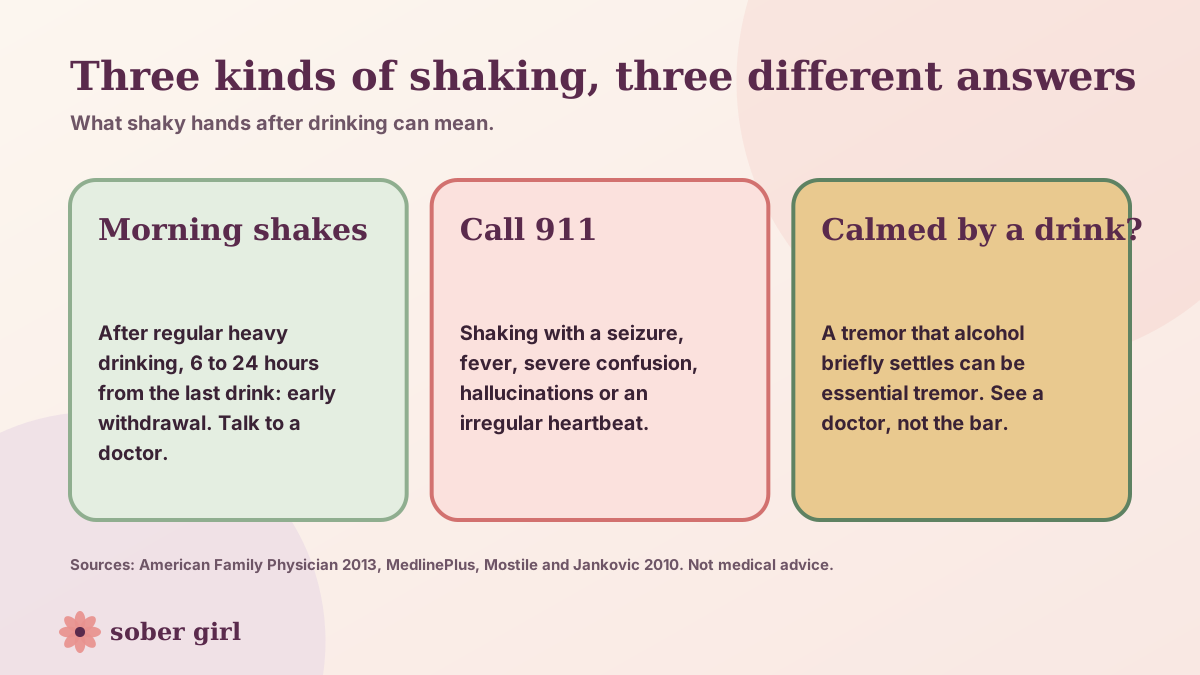
The shakes, a tremor in the hands that shows up after drinking, are one of the early signs of alcohol withdrawal. Withdrawal symptoms usually begin 6 to 24 hours after the last drink, and tremor sits in the first, mild stage alongside anxiety, insomnia, headache and palpitations [1]. Symptoms tend to peak between 24 and 72 hours and can go on for weeks [2]. If a drink in the morning stops the shaking, that is a sign of dependence, not a cure. Shakes with seizures, fever, severe confusion, hallucinations or an irregular heartbeat need emergency care [2]. A tremor that alcohol briefly calms can also be essential tremor, which needs a doctor, not a drink [3].
Why your hands shake after drinking
It often starts small. A slight tremor when you hold your phone the morning after, put down to a late night. Then it is there most mornings. Then you notice that a drink, or two, makes it go away, and some part of you files that away as useful.
Regular heavy drinking slows the brain down, and the brain pushes back to stay balanced. When the alcohol wears off, that push-back is no longer opposed, and the nervous system runs fast: shaky hands, sweating, a racing heart, anxiety, broken sleep. Clinicians list tremor among the first-stage symptoms of alcohol withdrawal, along with anxiety, insomnia, headache, palpitations and stomach upset [1]. MedlinePlus lists jumpiness or shakiness as a common withdrawal symptom [2].
If a morning drink stops the shaking, the drink is treating withdrawal. That relief is exactly what keeps the cycle going, and the shakes are one of the 11 questions doctors use to diagnose alcohol use disorder [4].
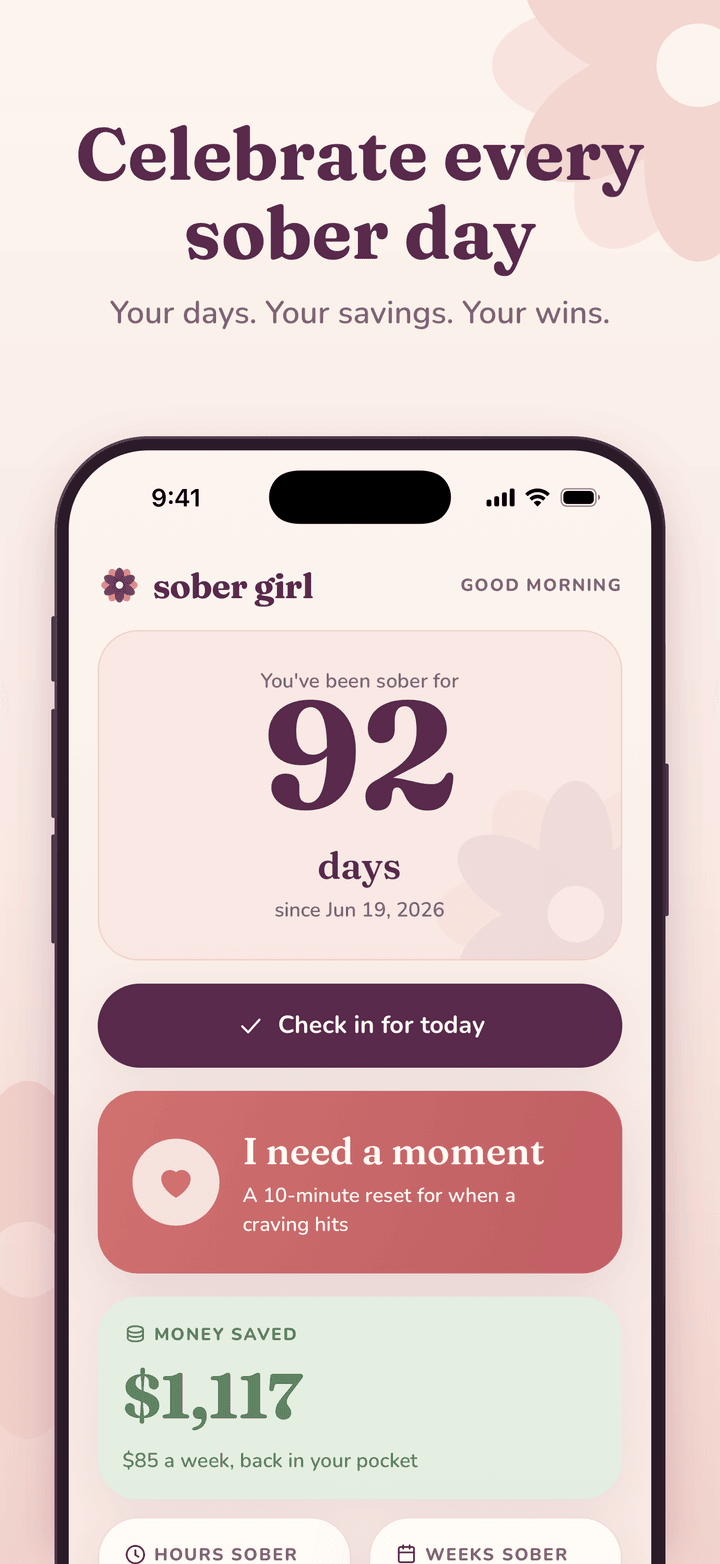
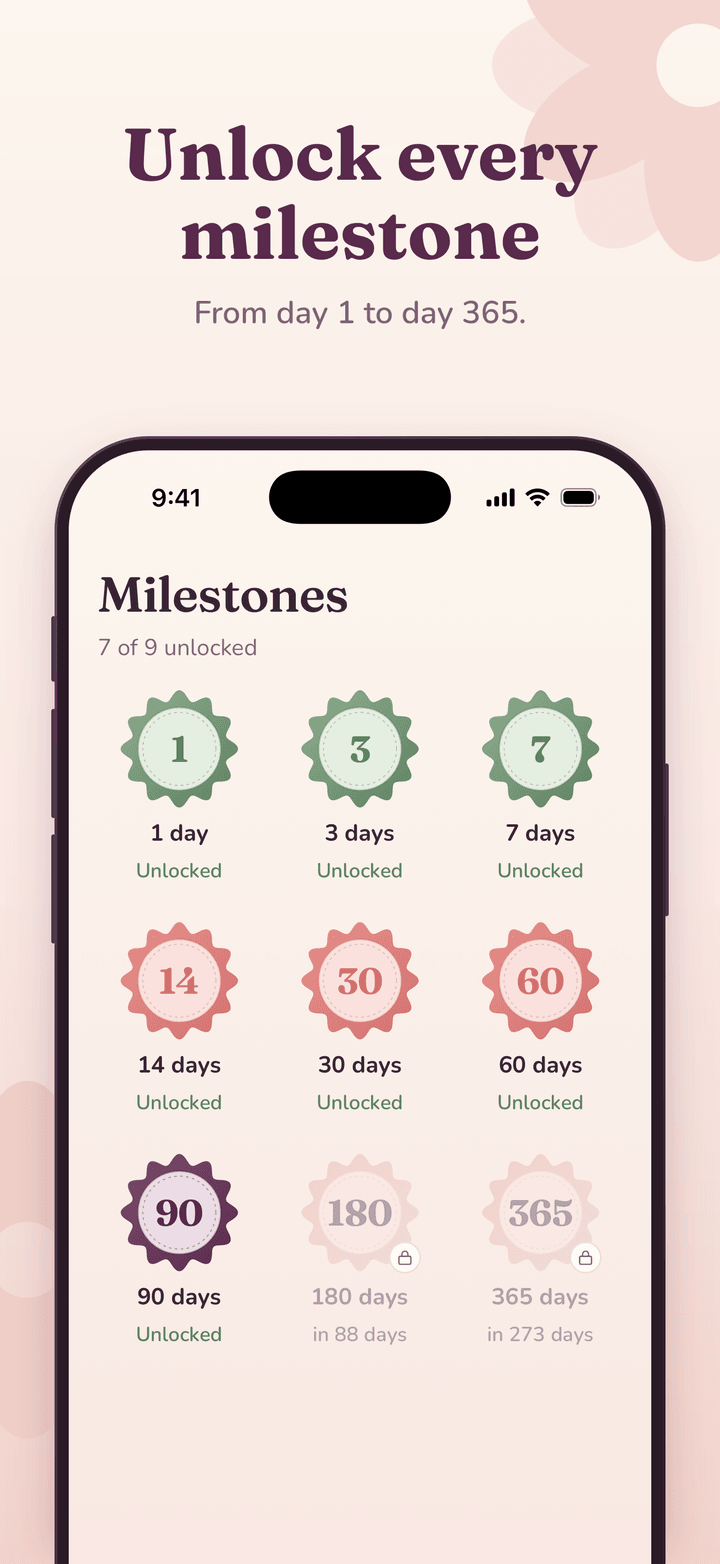
Track it in Sober Girl
How long do alcohol shakes last?
| Time since last drink | What usually happens |
|---|---|
| 6 to 24 hours | Withdrawal begins; tremor, anxiety and poor sleep are early signs [1] |
| 24 to 72 hours | Symptoms usually peak [2]; withdrawal seizures are possible [1] |
| 48 to 96 hours | Usual window for delirium tremens, a medical emergency [5] |
| Weeks | Milder symptoms can go on for weeks [2] |
When the shakes are an emergency
Call 911 or your local emergency number if shaking comes with a seizure, a fever, severe confusion, hallucinations or an irregular heartbeat [2]. Those are signs of severe withdrawal or delirium tremens, which is a medical emergency [5]. It is most common in people who have had withdrawal before or who have been drinking for more than 10 years [5].
When it might not be withdrawal
Essential tremor is a movement disorder that causes shaking, often in the hands. Many people with it notice that a drink calms it for a while, which can lead to drinking to steady the hands. A review in Movement Disorders warns that the effect is brief, the tremor rebounds, and the risk of addiction makes alcohol an inappropriate treatment [3]. If your tremor was there before you drank heavily, or runs in your family, see a doctor. There are proper treatments.
A one-off shaky morning after a big night with little sleep and no food is also common. It becomes a pattern worth acting on when it happens most mornings, or when drinking is what fixes it.
How to stop the shakes for good
- Tell a doctor about the shakes. They are the clearest sign that stopping should be planned, often with medicine for the first days.
- Ask about medicines that help after detox. Naltrexone and acamprosate are nonaddictive [7]; see naltrexone and other medicines.
- Know the timeline so you are not frightened by it: the alcohol withdrawal timeline.
- Expect better sleep to come later than steady hands. See sleep after quitting alcohol.
Is Sober Girl right for you?
- use an iPhone or an Android phone
- want a private tracker, with your journal kept on your device
- want a day counter, money saved and a daily check-in in one calm place
- want a Craving SOS with a breathing exercise and a 10-minute timer
- want to start free and add Plus only if you need the journal, insights or milestone cards
- want a community feed, live coaching or an AI chat
- want a structured multi-week education program
- need medical help for heavy drinking or withdrawal. An app is not treatment, so see the safety notes above
Frequently asked questions
Why do my hands shake after drinking?
Usually because of early alcohol withdrawal. When alcohol wears off after regular heavy drinking, the nervous system runs fast. Tremor is a first-stage withdrawal symptom and usually starts 6 to 24 hours after the last drink.
How long do alcohol shakes last?
Withdrawal symptoms usually peak at 24 to 72 hours and then ease, though milder symptoms can last for weeks. Severe symptoms need medical care.
Are alcohol shakes dangerous?
The shakes themselves are a warning sign rather than the danger. Shaking with a seizure, fever, severe confusion, hallucinations or an irregular heartbeat is an emergency: call 911.
Why does a drink stop the shakes?
Because it treats the withdrawal for a while. That relief keeps the cycle going, and withdrawal is one of the criteria for alcohol use disorder.
Can you get the shakes after one night of drinking?
A shaky morning after a big night with little sleep or food is common. Shakes most mornings, or shakes that a drink fixes, point to withdrawal.
Sources
- Outpatient Management of Alcohol Withdrawal Syndrome. Muncie HL Jr, Yasinian Y, Oge’ L. American Family Physician 2013;88(9):589–595. Clinical review. Withdrawal symptoms begin 6 to 24 hours after the last drink; withdrawal seizures can occur 24 to 72 hours after it.
- Alcohol withdrawal. MedlinePlus (US National Library of Medicine), reviewed 1 January 2025 by Frank D. Brodkey, MD.
- Alcohol in essential tremor and other movement disorders. Mostile G, Jankovic J. Movement Disorders 2010. Review. Many people with essential tremor report brief improvement after drinking, but the short effect, rebound and addiction risk make alcohol an inappropriate treatment.
- Understanding Alcohol Use Disorder. NIAAA fact sheet, updated January 2025.
- Delirium tremens. MedlinePlus (US National Library of Medicine), reviewed 1 January 2025.
- National Helpline. SAMHSA. Free, confidential, 24/7 treatment referral line: 1-800-662-4357.
- Treatment for Alcohol Problems: Finding and Getting Help. NIAAA, updated February 2025.
How we write these. Every figure above links to the source it came from, and we label self-reported and observational results as such. Where we could not find a source we trust, the page says so instead of filling the gap. Sober Girl is made by ShipAI Lab and this is not medical advice. Sources were checked on 6 October 2026. If you spot an error, email us at [email protected].
Keep reading
Today is day one.
Sober Girl is a private sobriety tracker for women, on iPhone and Android: day counter, money saved, craving SOS and a tree that grows with you. Free to start.